
Sodium-Ion vs. Lithium-Ion: Is the Bluetti Pioneer Na the Best Choice for Cold Weather?
Did you know that standard lithium cells can lose nearly half their energy capacity when it’s zero outside? This sudden drop often leaves your vital equipment powerless during the harshest British winters. It’s a frustrating reality for anyone relying on outdoor power supplies.
Modern energy storage technology must evolve to handle these freezing conditions without failing. You need a reliable power source that keeps working when frost covers the ground. Reliability becomes a critical priority when you are exploring the frozen wilderness or facing a power cut.
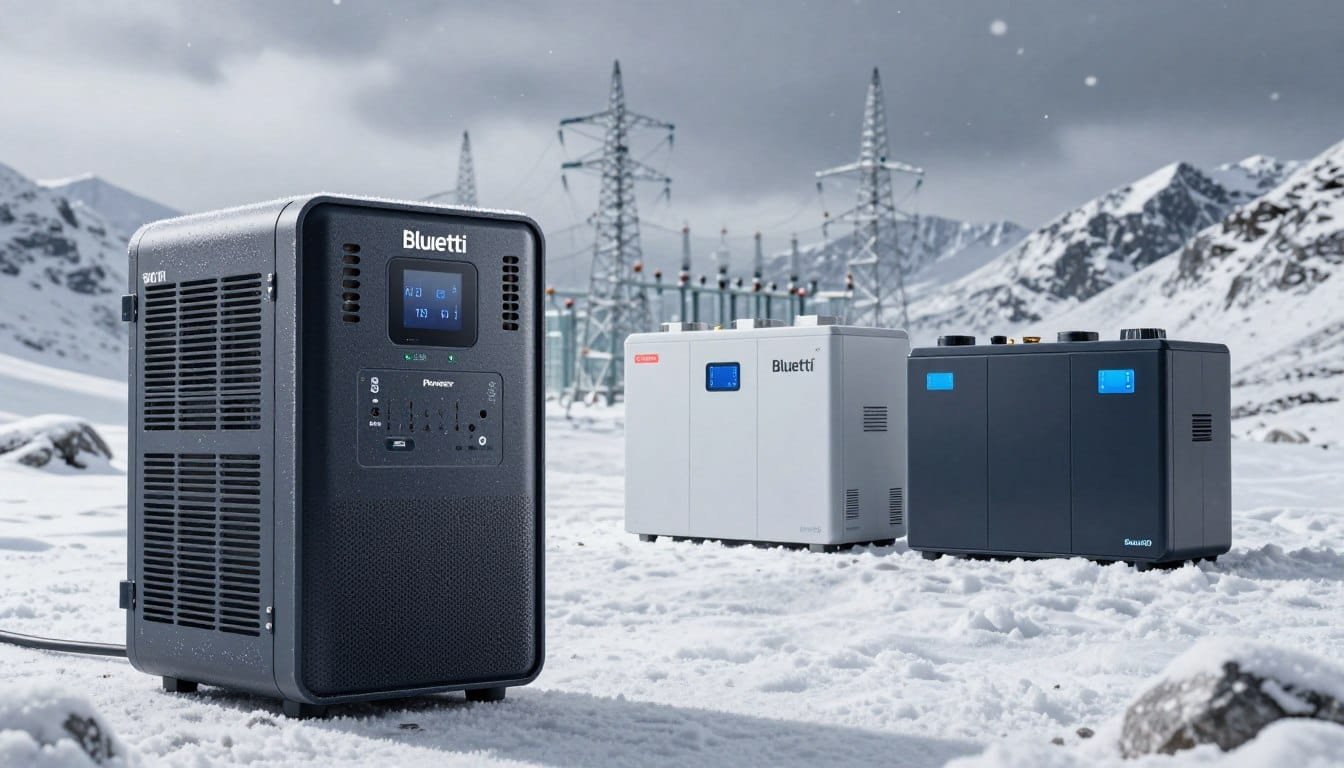
The introduction of sodium-ion batteries marks a significant shift in how we manage portable power. These innovative units, like the Bluetti Pioneer Na, promise superior cold weather performance compared to older designs. They use salt-based chemistry to maintain efficiency in the ice.
Choosing the right gear ensures your adventures or emergency backups remain functional throughout the year. You can now face the coldest seasons with absolute confidence in your electrical setup. Let us dive into why this new tech is changing the game for UK users.
Table of Contents
The Evolution of Energy Storage Technology
The world of energy storage is changing fast, thanks to new battery tech. We need better ways to store energy for our green tech and gadgets. This is key for a sustainable future.
Energy storage has come a long way, from old lead-acid batteries to today’s lithium-ion ones. Lithium-ion batteries, first sold in the early 1990s, have changed how we store energy. They power our phones and electric cars.
Shifting from Traditional Lead-Acid to Modern Chemistries
We’ve moved from lead-acid to lithium-ion batteries for better energy and less harm to the planet. Lead-acid batteries are still used but have their limits. They’re heavy and not as good for the environment.
“Lithium-ion batteries were first available commercially in devices and gadgets in the early 1990s and have since then found themselves across a wide field of use, including in electric vehicles.”
Lithium-ion batteries are now the top choice for many reasons. But, sodium-ion tech is coming up, promising to be even better and cheaper.
| Battery Type | Energy Density | Cycle Life |
|---|---|---|
| Lead-Acid | 30-50 Wh/kg | 200-300 cycles |
| Lithium-ion | 100-265 Wh/kg | 300-500 cycles |
| Sodium-ion | 80-120 Wh/kg | 200-400 cycles |
The Growing Demand for Reliable Portable Power in the UK
In the UK, we love being outdoors and need power when the weather gets bad. This means we need reliable portable power. Portable power stations are becoming more popular for this reason.
New battery tech, like lithium-ion and sodium-ion, is key to meeting this demand. As tech gets better, we’ll see more efficient and affordable ways to store energy.
Understanding Sodium-ion Batteries and Their Chemical Advantages
The search for greener and more efficient batteries has led to big steps in sodium-ion battery development. It’s key to know how sodium-ion batteries compare to lithium-ion ones when looking at energy storage.
Differences in Technology
Sodium-ion tech is different from lithium-ion in a few big ways. The main difference is in sodium and lithium’s chemical makeup. Sodium is very common on Earth, which means it’s easier to get than lithium.
“Sodium is very common on Earth and is easier to get than lithium, which is rare and expensive to mine.” This makes sodium-ion batteries a greener and possibly cheaper option.
“The abundance of sodium and its similar chemical properties to lithium make sodium-ion batteries an attractive alternative for future energy storage needs.”
Sustainability and Resource Availability
Sodium-ion batteries are better for the planet. Sodium is everywhere, so mining it doesn’t harm the environment like lithium does. This is crucial as more batteries are needed.

Safety Profiles and Thermal Stability
Sodium-ion batteries are safer and more stable than lithium-ion ones. Sodium’s chemical makeup helps batteries work better and avoid overheating. This reduces safety risks seen with lithium-ion batteries.
Looking ahead, sodium-ion batteries are promising. They offer better sustainability, safety, and resource use. This makes them a great choice for the future of energy storage.
Lithium-ion Batteries: The Current Industry Standard
Lithium-ion batteries are everywhere in today’s gadgets, but they face challenges in extreme weather. Knowing their good points and bad is key.
Energy Density and Weight Considerations
Lithium-ion batteries pack a lot of energy in a small package. This makes them great for places where space and weight matter. For example, in portable power stations, it’s all about finding the right balance.
Carrying these batteries for outdoor fun or emergencies is easier because they’re light. They also last longer, which is a big plus.
Key Characteristics of Lithium-ion Batteries:
| Feature | Description | Benefit |
|---|---|---|
| High Energy Density | Stores a lot of energy relative to its size | Longer device operation without recharging |
| Lightweight | Less weight compared to other battery technologies | Easier to carry portable devices |
| Compact Design | Can be designed to fit into small spaces | More versatile for various applications |
Common Limitations in Extreme Environments
Lithium-ion batteries have their limits, especially in extreme weather. Both very hot and very cold temperatures can harm their performance and life span.
In cold weather, these batteries don’t work as well. They can’t hold a charge or power devices efficiently. Experts warn that charging them in cold can cause permanent damage.
“Charging lithium-ion batteries at or below 32°F (0°C) can cause permanent damage due to a process called lithium plating.”
Why Lithium-ion Struggles with Low-temperature Charging
Lithium plating is a big problem when charging in the cold. It happens when lithium ions don’t go where they should, reducing battery life and risking a short circuit.
To avoid these problems, it’s important to know how lithium-ion batteries work in different conditions. Always charge them within the recommended temperature range. Using systems that manage battery charging can also help.
Cold Weather Performance: Why Temperature Matters for Power Stations
When it gets colder, your power station’s performance can drop a lot. This is especially true for people using portable power stations in winter. Knowing how cold affects these devices is key to keeping them working well.
The Physics of Ion Movement in Freezing Conditions
In cold weather, chemical reactions slow down. This makes ions inside the electrolyte move less. Since ions are vital for electrical current, their reduced movement hurts battery performance.
Impact on Capacity and Discharge Rates
Cold weather also affects battery capacity and discharge rates. Batteries discharge more slowly and hold less charge in the cold. This means your power station might not last as long in winter.
The discharge rate is also affected. Cold batteries can’t provide the same power as warm ones. This is a big issue for devices needing lots of power, like some tools or heaters.
Preventing Permanent Battery Degradation During Winter
To avoid permanent damage to your power station’s battery in winter, follow storage and maintenance tips. Keep your device in a warm, dry spot when not using it. Also, try not to deeply discharge batteries in the cold.
Some batteries, like sodium-ion ones in the Bluetti Pioneer Na, are better in cold weather. Knowing your power station’s specs helps you use it wisely in the cold.
Deep Dive into the Bluetti Pioneer Na
The Bluetti Pioneer Na uses sodium-ion batteries for better energy storage. It’s made for those who need reliable power, especially in tough places.
Key Features of the Bluetti Pioneer Na
The Bluetti Pioneer Na is a new kind of portable power station. It’s not just a lithium-ion battery with a new name. It’s a true sodium-ion battery, made to be safer and possibly cheaper.
Key features include:
- Advanced sodium-ion battery technology
- Enhanced safety and thermal stability
- Optimised performance for cold climates
Design Philosophy for Harsh Environments
The Bluetti Pioneer Na is built to last in tough conditions. It’s made to work well, even when it’s very cold.
Charging Efficiency in Sub-zero Temperatures
This power station charges well in cold weather. Sodium-ion batteries work better in the cold than lithium-ion ones. This makes it perfect for winter use.
The charging efficiency is significantly improved. Your devices will stay powered during outdoor adventures or emergencies.
Real-world Usability for Outdoor Enthusiasts
For those who love the outdoors or need power for important tasks, the Bluetti Pioneer Na is great. It’s designed to be strong, light, and easy to carry.
Portability and Build Quality
The device is tough but light, making it easy to carry. This is key for those who need power on the move.
In short, the Bluetti Pioneer Na is a big step forward in portable power. It offers great performance, safety, and is easy to carry.
Comparative Analysis: Sodium-ion vs Lithium-ion in Winter Conditions
In winter, knowing how sodium-ion and lithium-ion batteries perform is key for UK users. As the need for reliable power grows, it’s important to see how these batteries compare. This helps us choose the right one for our needs.
Direct Performance Metrics in Cold Climates
Sodium-ion batteries work well even when it’s freezing. They’re great for tasks that need to keep going in the cold. On the other hand, lithium-ion batteries don’t perform as well in the cold. This is because the ions move slower in the cold.
Key performance metrics include how well each battery holds its charge and how fast they discharge in the cold. Sodium-ion batteries keep their charge better and discharge more steadily than lithium-ion ones.
Longevity and Cycle Life Comparisons
How long a battery lasts is very important, especially for those who use their power stations a lot. Sodium-ion batteries last as long as, or even longer than, lithium-ion ones, even in the cold.
Sodium-ion batteries can handle more charge cycles before they start to lose their power. This is because their robust chemical structure is less affected by cold temperatures.
Cost-effectiveness for the UK Consumer
When looking at cost, we need to think about the price, how long it lasts, and any maintenance costs. Sodium-ion batteries might cost more upfront, but they save money in the long run. They last longer and need less maintenance.
For UK users, sodium-ion batteries are often the more cost-effective choice. This is especially true if you use your power station a lot in winter. Data shows that sodium-ion batteries are made for consistent performance, making them perfect for winter use.
Conclusion
When looking at portable power, the gap between sodium-ion and lithium-ion batteries grows wider, especially in cold weather. The Bluetti Pioneer Na stands out with its sodium-ion tech, offering a new path compared to traditional lithium-ion batteries.
Sodium-ion batteries are gaining ground as a top choice for storing energy in cold and tough spots. The Bluetti Pioneer Na’s design and sodium-ion chemistry are perfect for harsh environments. This means you can count on it for power when you really need it.
The Bluetti Pioneer Na shines in cold weather, making it great for outdoor fans and those needing power in freezing temps. As the field of energy storage grows, sodium-ion tech will likely be key in its development.