
Virginia’s Solar Crossroads: New Balcony Laws, Grant Battles, and the Push for Energy Independence
Did you know the sun’s power in one hour could meet global needs for a year? Yet, legal barriers often stop us from using this free energy. Now, local leaders are making changes to let more people use renewable power.
New rules for balcony setups are changing city living for many. These changes are key for achieving energy independence and reducing reliance on unstable energy markets. The fight for federal grants shows the tension between quick progress and old power systems.
The solar for all virginia programme is a big step towards clean energy for all. It aims to include low-income homes in the green shift. By overcoming legal and financial hurdles, the area wants to give everyone better energy choices.
Table of Contents
The Evolving Landscape of Virginia Solar Energy
The solar energy sector in Virginia is on the brink of a big change. This is thanks to new policies and tech advancements. The state aims for energy independence, making solar solutions crucial.
Policy changes are a big factor in this shift. In 2026, the Commission on Electric Utility Regulation (CEUR) backed several solar and energy storage bills. This move is a step towards a greener energy future.
Shifting Policy Frameworks for 2026
The CEUR’s support for these bills is a major step for Virginia’s solar policy in 2026. The bills tackle issues like energy storage and grid integration. They ensure the state’s energy system can handle more solar energy.
As policies evolve, the industry is working together for a smooth transition. This includes investing in new technologies and finding creative ways to integrate solar into the grid.
The Rise of Distributed Energy Resources
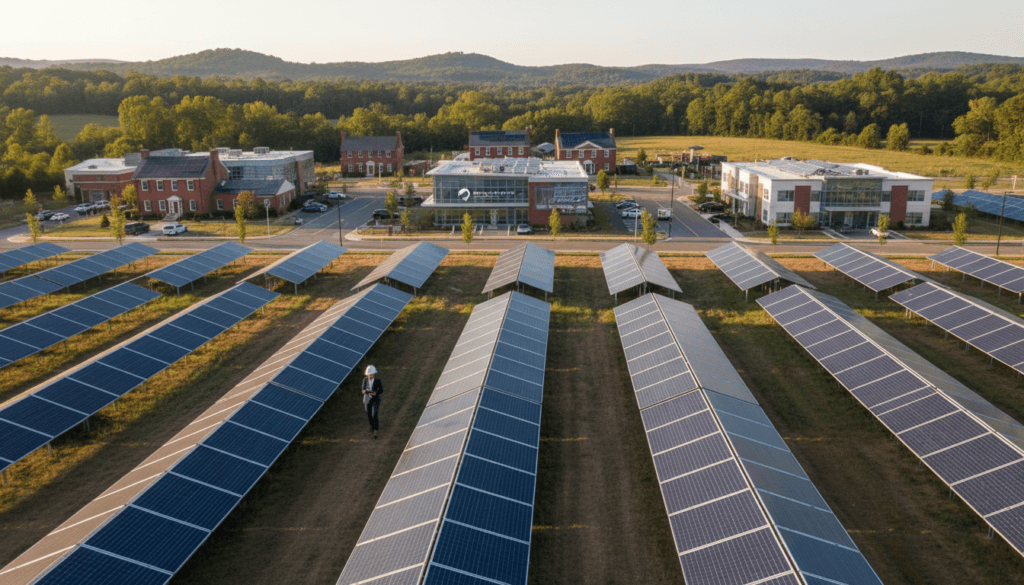
Distributed energy resources (DER) are also changing Virginia’s solar scene. DERs, like rooftop solar and energy storage, are gaining popularity. People and businesses want to cut their grid reliance and manage their energy.
The growth of DERs is due to cheaper tech and more people seeing solar’s benefits. As the sector grows, we’ll see more innovative solutions. This will help us move towards a greener energy future.
Understanding policy changes and the rise of DERs helps you navigate Virginia’s solar sector. It lets you make smart choices about your energy needs.
Navigating the New Balcony Solar Law
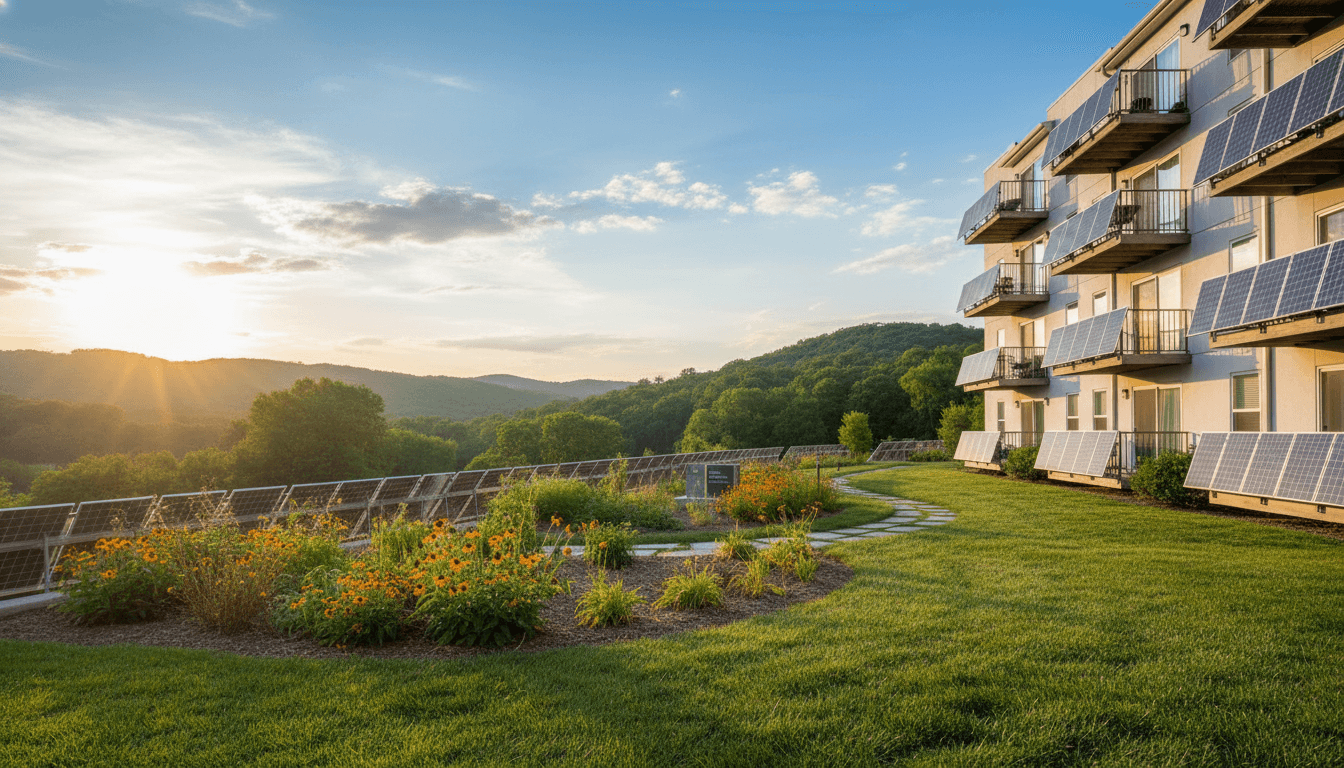
Virginia has just passed the balcony solar bill, thanks to CEUR. This move is a big step towards a greener energy future. It’s especially good news for people living in apartments, who can now use solar energy easily.
Understanding Permissionless Solar for Apartment Dwellers
Permissionless solar lets apartment residents put up solar panels without needing permission. This is a big deal for making renewable energy more available to everyone.
Now, you can think about putting plug-in solar devices on your balcony. This gives you a clean and efficient way to get energy. Thanks to permissionless solar, it’s easier for more people to do this.
Technical Requirements for Plug-in Solar Devices
Plug-in solar devices need to meet certain technical standards. They must work with your current electrical setup and follow safety rules.
| Technical Requirement | Description | Importance Level |
|---|---|---|
| Compatibility | Ensure the device is compatible with your electrical setup | High |
| Safety Certifications | Look for devices with relevant safety certifications | High |
| Power Output | Choose a device that matches your energy needs | Medium |
Overcoming Homeowners Association Restrictions
Even with the new law, homeowners associations (HOAs) might still be a hurdle. Knowing your rights and the local laws is key.
Check your HOA’s rules and learn about state laws that support solar installations. You might need to talk to your HOA or seek help from a mediator.

Understanding the new balcony solar law helps you make smart choices about solar energy for your apartment. It’s good for the planet and gives you more control over your energy use.
The Impact of Federal Solar Grant Termination
With federal solar grants ending, Virginia’s local solar projects face big challenges. The loss of funding makes many solar projects hard to keep going. This has left a big gap in support for solar projects across the state.
The Virginia Mercury reports that without federal funding, many projects are at risk. They now look for other ways to fund their work. This search for new funding models is crucial for solar energy growth.
Analysing the Funding Gap for Local Projects
The end of federal grants has left a huge funding gap. Local governments and developers are looking for new money to keep projects alive. They need to find ways to fill this gap fast.
Key challenges include:
- Insufficient state-level funding to replace lost federal grants
- Increased reliance on private investors and crowdfunding
- Potential delays or cancellations of projects due to funding uncertainties
To tackle these issues, people are looking at new ways to fund solar projects. This includes working with private companies and community funding.
How Communities are Adapting to Reduced Subsidies
Virginia’s communities are finding new ways to fund solar projects. One idea is community solar programs. These let many people share the costs and benefits of a solar array.
Community solar programs offer several benefits:
- Increased accessibility to solar energy for low-income households
- Reduced financial burden on individual participants
- Enhanced community engagement and education on renewable energy
Alternative Financing Models for Energy Affordability
To keep energy costs down, new financing options are being looked at. These include green bonds, solar loans, and energy-efficient mortgages.
Alternative financing models can:
- Provide upfront capital for solar installations
- Offer favourable terms and conditions for borrowers
- Help reduce the financial risks associated with solar energy investments
By using these new financing options, Virginia can keep supporting solar energy. This ensures that solar energy remains affordable for everyone.
Top Solutions for Residential Energy Independence
Residents in Virginia are looking into ‘solar for all Virginia’ to achieve energy self-sufficiency. Thanks to new solar tech and home products, energy independence is now more possible.
Three leading solutions are making a big difference in home energy freedom. These are the EcoFlow PowerStream Microinverter System, the Anker SOLIX Balcony Solar System, and the Jackery Solar Generator for Apartment Living.
EcoFlow PowerStream Microinverter System
Overview
The EcoFlow PowerStream Microinverter System is a game-changer for homes. It lets homeowners make electricity from sunlight. They can use it themselves or send it back to the grid.
Pros and Cons
- Advantages:
- It’s very efficient and reliable
- It’s easy to set up and monitor
- Works well with many solar panels
- Disadvantages:
- It costs more at first
- You need some tech know-how for the best setup
Key Features
The EcoFlow PowerStream system has some key benefits. These include:
- It converts sunlight into electricity very well
- It lets you check how it’s doing in real-time with the EcoFlow app
- It’s built to last and is small
Anker SOLIX Balcony Solar System
Overview
The Anker SOLIX Balcony Solar System is perfect for those with little space. It’s designed for apartment living and small areas. It’s a smart way to get solar energy.
Pros and Cons
- Advantages:
- It’s small and fits well on balconies and in tight spots
- It’s simple to install and keep up
- It packs a lot of power for its size
- Disadvantages:
- It doesn’t make as much energy as bigger systems
- It needs direct sunlight to work well
Key Features
The Anker SOLIX system is known for its:
- Its sleek and compact design
- It’s easy to plug in and start using
- It has advanced safety features
Jackery Solar Generator for Apartment Living
Overview
The Jackery Solar Generator is great for apartment living. It’s portable and gives a reliable source of clean energy. You can use it inside or outside.
Pros and Cons
- Advantages:
- It’s easy to carry and use
- It’s quiet and doesn’t pollute
- It can charge in many ways
- Disadvantages:
- It can’t hold as much energy as bigger systems
- It needs to be charged up again sometimes
Key Features
The Jackery Solar Generator is special because of its:
- Its small and portable design
- It has many ways to charge things (USB, DC, AC)
- It can be charged with solar panels or from a wall outlet
The Future of Solar for All Virginia Initiatives
The Commonwealth of Virginia is on the verge of a solar revolution. This is thanks to new policies and technologies. The state is moving towards renewable energy, focusing on making energy fair and accessible for everyone.
One key part of this change is making sure everyone has access to solar energy. Groups like the Piedmont Environmental Council are leading the way. They help bring solar energy to communities that have been left behind.
Bridging the Gap in Energy Equity
There’s a big push to make solar energy available to all. This includes low-income families and communities of colour. Programs and incentives are being set up to help.
- Community solar programs let many people benefit from one solar array.
- There are incentives like rebates and low-interest loans for solar installations.
- It’s also important to educate everyone about these opportunities.
Energy equity initiatives bring many benefits:
- They lower energy costs for low-income families.
- They give more people access to clean energy.
- They create jobs and bring economic growth to the solar industry.
Technological Innovations Driving Local Adoption
New technologies are helping more people in Virginia use solar energy. Improvements in solar panels, energy storage, and smart grids are making it cheaper and easier to go solar.
Some key innovations include:
- Microinverters: They make energy production and monitoring more efficient.
- Energy storage systems: These let people store extra energy for later use.
- Smart grid technologies: They help manage energy from different sources, making the grid better.
As these technologies get better, they will help Virginia become more sustainable and fair in its energy use.
Conclusion
Virginia is moving towards a greener energy future, and solar energy is key. You’ve seen how solar energy is making Virginia more independent. New laws and changes in funding are all part of this journey.
The drive for energy independence is growing. New tech and policies are helping. Now, even those living in apartments can use solar energy thanks to new systems.
Looking ahead, Virginia needs more innovation and support for solar energy. By backing these efforts, you help make Virginia’s energy future brighter and cleaner.
Virginia’s focus on solar energy is a big step towards energy freedom. With the right support, the state can stay at the forefront of renewable energy.