
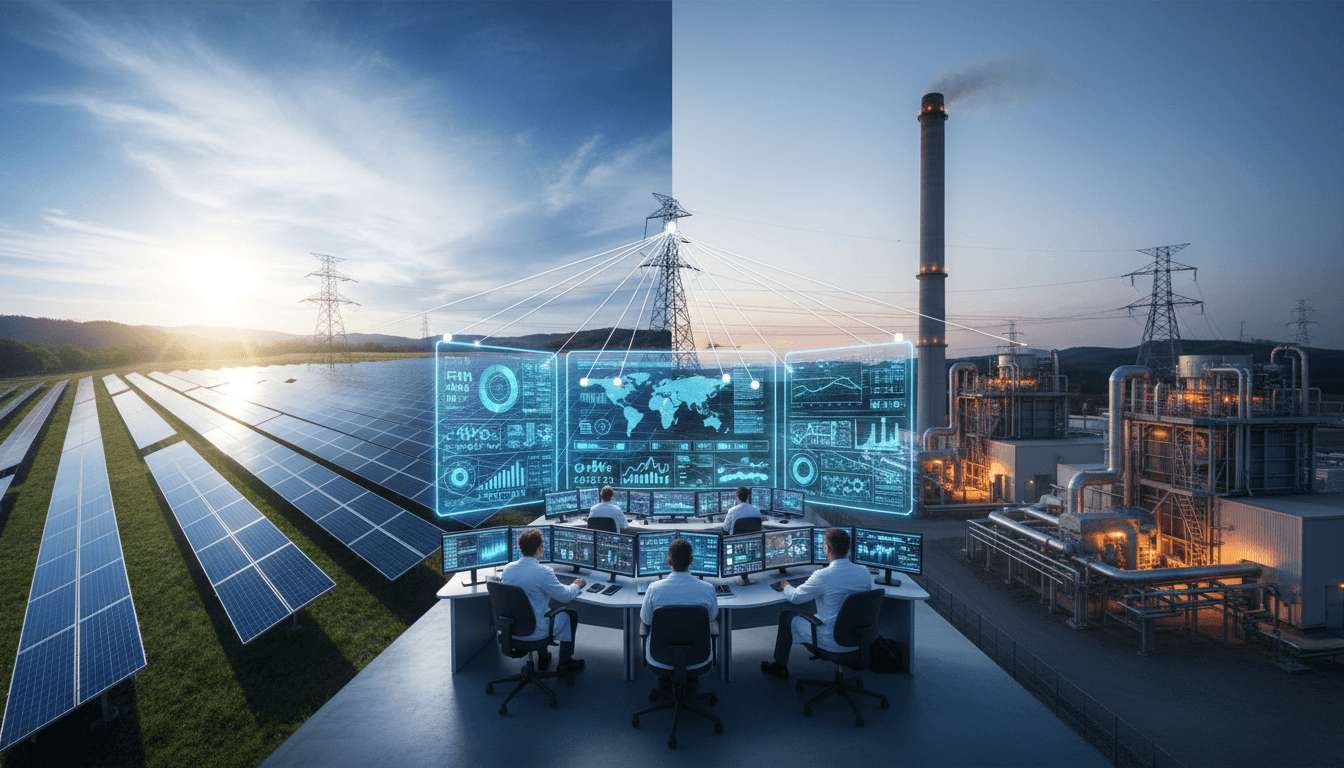
Solar vs Gas Turbines: The 2026 Race for Speed, Efficiency, and Grid Resiliency
Did you know that by 2026, data centres and AI could use as much electricity as Japan? This huge forecast shows the immense pressure you face as global demand hits grid limits and project costs rise. You must find ways to balance this growth with a reliable supply of energy.
The competition between solar vs gas turbines is growing as you try to meet these urgent needs. Picking the right power source is vital for your future success. Every decision you make now impacts your ability to scale operations in an increasingly tight market.
Womble Bond Dickinson’s Energy Outlook 2026 shows that your success depends on achieving a rapid speed to grid. Efficiency and grid resiliency are now essential as you adapt to shifting policies and massive manufacturing growth. You cannot afford delays when the demand for new power is climbing so quickly across the United Kingdom.
You must also manage the risks of fuel cost volatility while prioritising long-term security for your energy infrastructure. Staying ahead requires you to understand how these technologies impact your daily operational costs and future green goals. By choosing the best path, you ensure that your business remains strong even as the sector undergoes rapid change.
Table of Contents
The Current Landscape of Solar vs Gas Turbines
The UK’s energy mix is changing, with solar and gas turbines playing key roles. Solar and gas turbines are shaped by shifting priorities and economic factors. These factors decide which technology to choose.
Shifting Priorities in the United Kingdom Energy Mix
The UK aims to cut carbon emissions and move towards sustainable energy. Solar power is becoming more popular. Yet, gas turbines still provide essential power and stability to the grid.
Recent data shows nearly a quarter of new energy capacity is delayed. This is due to grid issues, permitting problems, and regulatory uncertainty.
Understanding the energy market is crucial. The UK’s goal to reduce greenhouse gas emissions boosts renewable energy like solar.
Economic Drivers Influencing Technology Selection
Costs, lead times, and regulations affect technology choices. These factors are key when deciding on solar or gas turbines. Each technology has its own strengths and weaknesses.
| Technology | Project Costs | Lead Times | Regulatory Frameworks |
|---|---|---|---|
| Solar | Decreasing costs due to technological advancements | Shorter lead times due to modular construction | Favourable policies and incentives |
| Gas Turbines | Higher upfront costs, but lower operational costs with new technologies | Longer lead times due to complex infrastructure requirements | Subject to stringent environmental regulations |
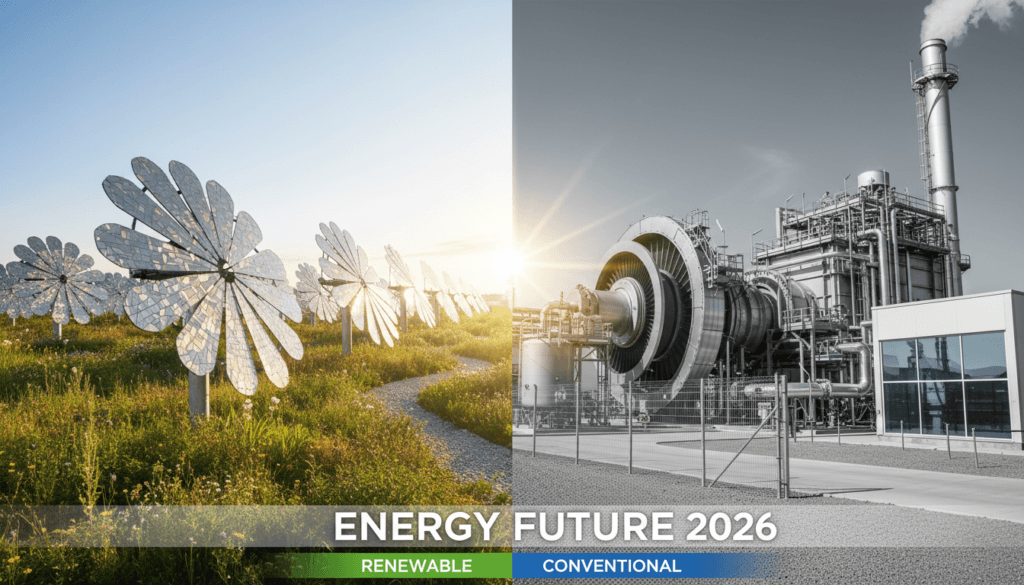
When choosing technology, consider delays, modular construction, and lead times. Knowing these factors helps make better energy investment decisions.
Speed to Grid: Overcoming Interconnection and Lead Times
The speed of connecting new power projects to the grid is now key. Grid connection speed affects solar and gas turbine projects a lot. It’s vital to beat interconnection and lead time hurdles to meet growing electricity demand and switch to green energy.
Navigating Interconnection Queue Delays
Both solar and gas turbine projects face big hurdles in the interconnection queue. Over 70% of US companies say grid and infrastructure limits are their biggest problem (Source: Womble Bond Dickinson’s Energy Outlook 2026). This shows how crucial it is to solve these delays to get new energy projects online fast.
Delays come from many places, like detailed grid studies, grid space, and complex connections. To fix these, we need to make the connection process smoother. Better talks between project teams, grid managers, and rules makers are key.
Modular Solar Construction vs Gas Turbine Lead Times
How fast you can build new power is another big factor. Modular solar building is way faster than traditional gas turbines. It lets you start and grow projects quicker.
The Advantage of Scalable Solar Deployment
Solar projects can grow in steps, thanks to modular design. This means you can add power as demand changes. It’s a smart way to avoid big risks with huge projects.
Logistical Challenges for Large-Scale Gas Infrastructure
Big gas projects face big problems, like long permits and huge needs. Building gas turbines and their setup takes a lot of time and money. It’s hard to keep up with energy market changes.
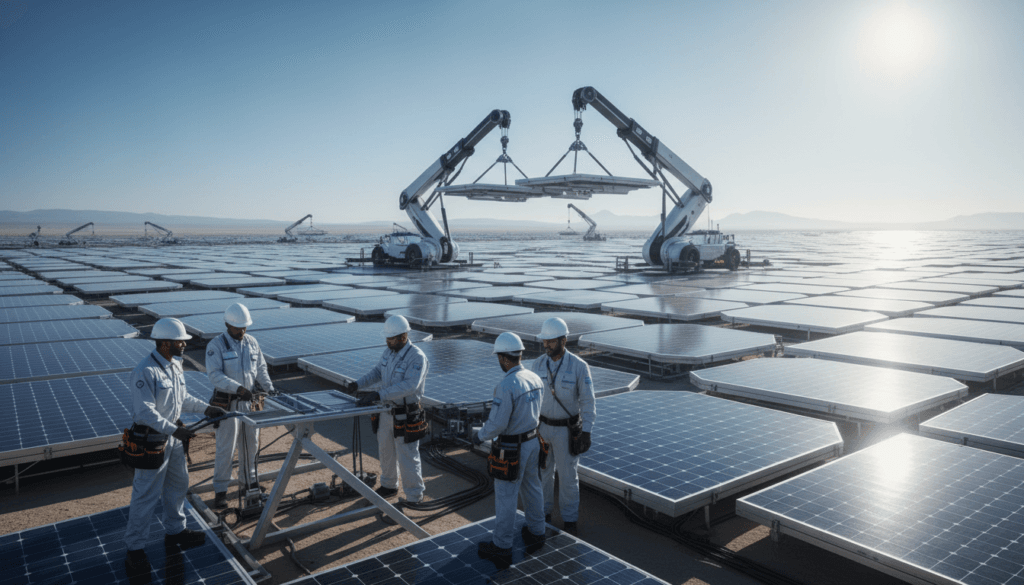
Knowing the benefits of solar and the problems with gas projects helps you choose better. It’s about making smart energy investments and project plans.
Efficiency and Operational Reliability
Thinking about the future of energy, efficiency and reliability in solar and gas turbines are key. Big energy users like data centres and factories plan to make 23% of their power themselves soon (Source: Womble Bond Dickinson’s Energy Outlook 2026). This change shows we need energy solutions that work well and are dependable.
Mitigating Fuel Cost Volatility in Gas Generation
Gas generation has big problems with fuel cost volatility, which can change project costs a lot. Fuel price changes can raise energy production costs. So, making gas turbines more efficient is a good strategy to lower fuel use.
Experts say, “Fuel price changes are a big worry for gas projects, and developers are searching for ways to handle this risk.”
“The key to beating fuel cost volatility is to make gas turbines more efficient and look at other fuel options.”
Maximising Solar Output Through Advanced Tracking
Using advanced tracking technologies can boost solar energy. These systems track the sun’s path to increase energy output and cut costs. This makes solar projects more viable.
Balancing Intermittency with Baseload Requirements
But, making solar energy steady is hard. We need new ideas like virtual power plants (VPPs) and distributed energy resources (DERs). These help keep the grid stable and ensure a steady energy supply.
Adding VPPs and DERs to your energy plan makes the system more solid and adaptable. It’s better at meeting your energy needs.
Grid Resiliency and the Role of Distributed Energy Resources
The energy world is changing fast, and keeping the grid stable is key. More renewable energy and old power plants shutting down mean we need new ways to keep the grid stable.
Distributed energy resources (DERs) like solar and batteries are crucial. They help the grid by providing services and supporting renewable energy.
The Rise of Virtual Power Plants (VPPs)
Virtual power plants (VPPs) are becoming important. They use new tech to work together with DERs to help the grid. VPPs will help make the grid more stable and support more renewable energy.
Womble Bond Dickinson’s Energy Outlook 2026 shows tech is key for managing energy. Tech budgets for energy optimisation are set to rise by about 16% in 2026. This will help VPPs and other new grid solutions grow.
Integrating Distributed Energy Resources (DERs) for Stability
Adding DERs to the grid needs advanced tech and smart systems. DERs can make the grid more stable and offer services like keeping the frequency right and supporting voltage.
The table below shows how DERs help the grid:
| Benefits | DERs | Traditional Grid |
|---|---|---|
| Grid Stability | Enhanced through advanced management systems | Limited flexibility |
| Renewable Energy Integration | Supports variable renewable energy sources | Limited capacity for renewable energy |
| Grid Services | Provides frequency response and voltage support | Limited grid services |
How Solar and Gas Complement Each Other in Modern Grids
Solar and gas turbines work well together in modern grids. Solar gives clean energy when it’s needed most. Gas turbines provide steady power and stability when solar isn’t enough.
Using solar and gas together makes the grid more reliable and flexible. This helps meet the changing energy needs of today and tomorrow.
Environmental Impact and Regulatory Pressures
The energy sector is under pressure to cut its environmental impact, especially on greenhouse gas emissions. It’s vital to understand the environmental effects of different energy production methods.
Assessing the Methane Emissions Impact of Gas Turbines
Gas turbines are a big part of our energy mix but struggle with methane emissions. Methane is a very potent greenhouse gas, much more so than carbon dioxide over 20 years. The methane emissions from gas turbines are a key factor in their environmental impact.
A study on methane emissions from gas turbines shows we need better ways to measure and reduce these emissions. As rules get stricter, the industry will move towards cleaner, more efficient technologies.
| Technology | Methane Emissions | Efficiency |
|---|---|---|
| Traditional Gas Turbines | High | Moderate |
| Advanced Gas Turbines | Lower | High |
| Solar Energy | Minimal | Variable |
Decarbonisation Targets and the Future of Fossil Fuels
The push for decarbonisation is changing the energy world. Governments are setting tough targets to cut greenhouse gas emissions, affecting fossil fuels’ role. You must think about how these changes will shape your energy plans.
As targets get stricter, the future of new fossil fuel projects is uncertain. Many countries aim for net-zero emissions, making renewable energy like solar more likely to thrive.
Regulatory Hurdles for New Thermal Projects
New thermal projects, especially those with gas turbines, face big regulatory hurdles. Tighter environmental rules and more scrutiny of emissions make it hard to get approvals. You need to understand these rules to succeed with your energy projects.
The rules are changing fast, focusing more on environmental sustainability. When planning new energy projects, keeping up with these changes and adjusting your plans is crucial.
Conclusion
The energy world is changing fast, and the fight between solar and gas turbines is key. You now know both have their good points and bad. Things like how fast they can start, how well they work, and how they affect the planet are crucial.
Using both solar and gas turbines is the best way to make sure our energy is strong and reliable. Knowing what’s happening now and what’s coming helps us move towards cleaner energy. The battle between solar and gas turbines will keep shaping our energy future.
The future of energy is about using the best of both worlds. As we move forward, the mix of solar and gas turbines will be essential. It will help make the UK’s energy system better and more reliable.