
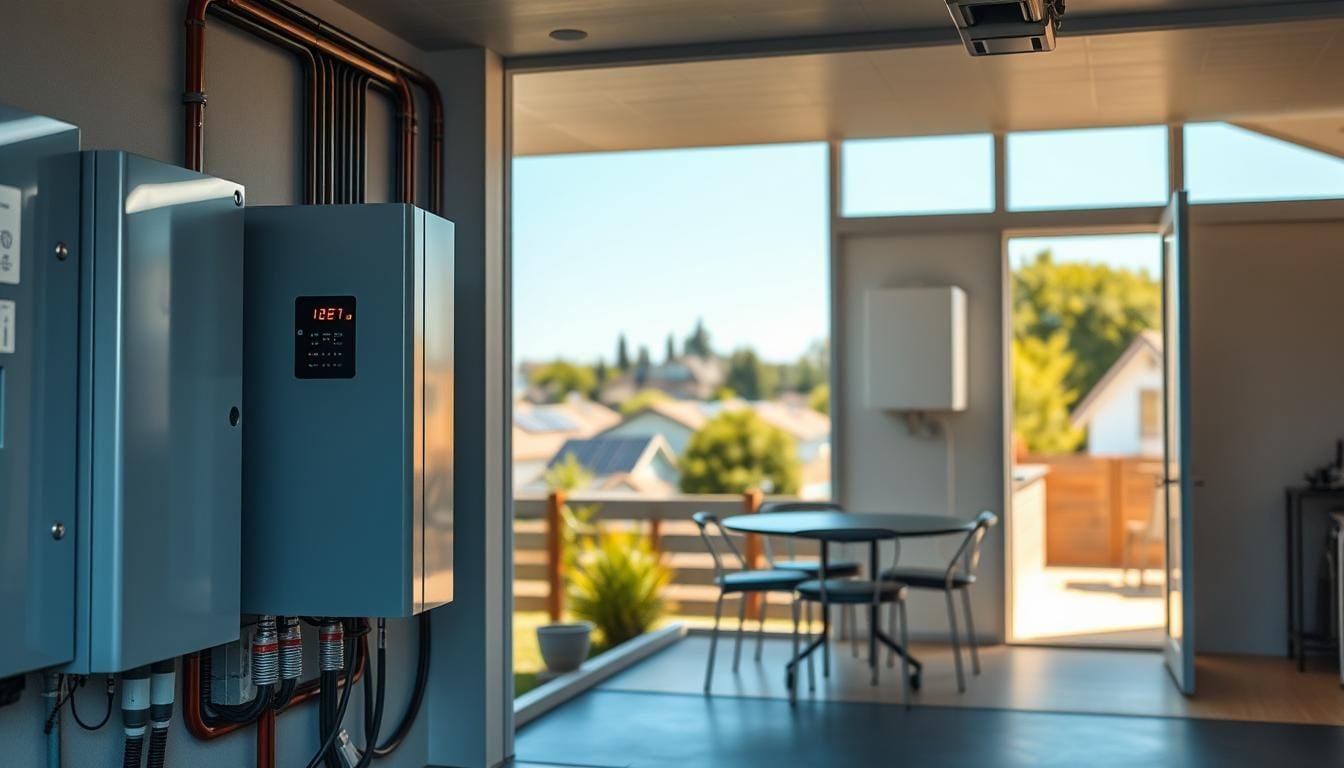
The 2026 Guide to Hungary’s Residential Energy Storage Subsidy Program
Ever thought your home could be its own power station and save you money? Hungary is speeding up its shift to clean energy, and 2026 is a big year for homeowners.
The government is supporting a huge huf 100 billion programme to update homes across the country. This energy storage subsidy makes top-notch tech more affordable than before.
Getting a residential battery storage unit is now essential, not just for the rich. It’s key for a modern, compliant home in today’s fast-changing world.
You can now optimise your energy use and cut down on grid dependence. This plan makes green tech available to all families. By using these funds, you can live sustainably and cut your monthly bills.
Table of Contents
1. Understanding Hungary’s HUF 100 Billion Energy Storage Initiative
Hungary has launched a HUF 100 billion energy storage plan. It aims to boost using clean energy at home and ease pressure on the grid. This move is part of Hungary’s clean energy strategy.
Programme Background and Clean Energy Goals
The Hungarian government started the residential energy storage support program in December 2025. It plans to roll it out fully in 2026. The goal is to increase using energy at home, ease grid pressure, and make energy data digital.
By supporting energy storage, Hungary wants to improve its clean energy use. This will help it reach its environmental targets.
Key Dates and Application Windows for 2026
Applicants need to know the important dates for 2026. The exact application windows will be announced in advance. This will help the application process run smoothly.
Total Budget Allocation and Funding Availability
The energy storage initiative has a total budget of HUF 100 billion. The money will be given out based on the quality and feasibility of the applications.
| Budget Component | Allocation (HUF Billion) | Percentage of Total Budget |
|---|---|---|
| Residential Energy Storage Subsidies | 80 | 80% |
| Program Administration | 10 | 10% |
| Technical Assessments and Audits | 10 | 10% |
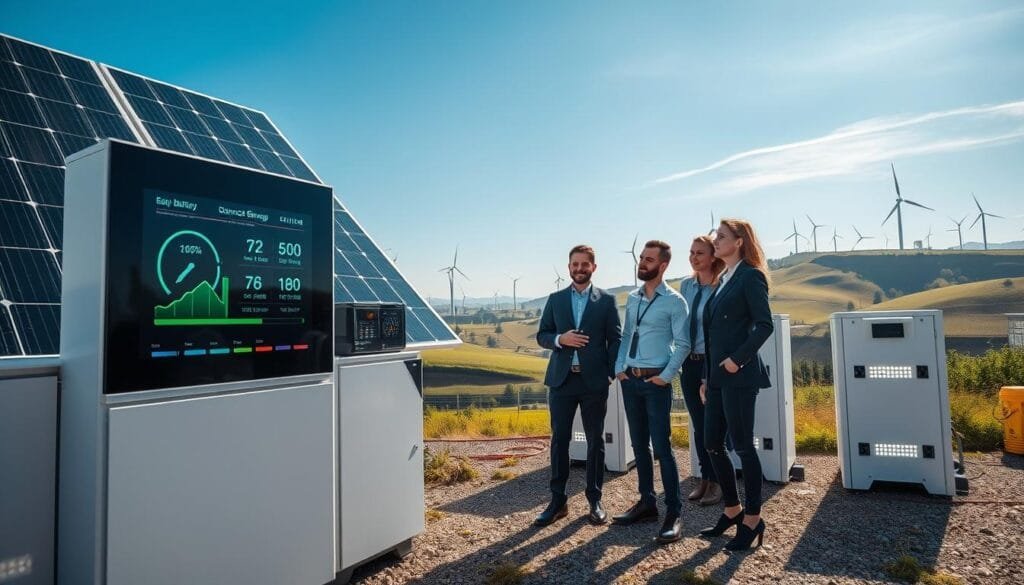
This program is set to increase the use of clean energy in Hungary. It will help create a more sustainable energy future.
2. Determining Your Eligibility for Residential Battery Storage Support
To get the subsidy for residential battery storage in Hungary, you need to know if you qualify. The program is for homeowners with solar PV systems or those thinking of getting rooftop solar panels.
Homeowner and Property Qualification Criteria
You must own your home and it must meet certain standards. The property should be connected to the grid. It also needs to follow rules about storing energy at home.
Existing Solar Panel System Requirements
If you have solar panels already, they must work with the battery storage system. The system should help use more of the solar energy you produce.
Geographical and Grid Connection Restrictions
Where your property is and how it’s connected to the grid matters too. It must be connected to the grid. It also needs to meet the DSO’s rules for dso-approved inverters.
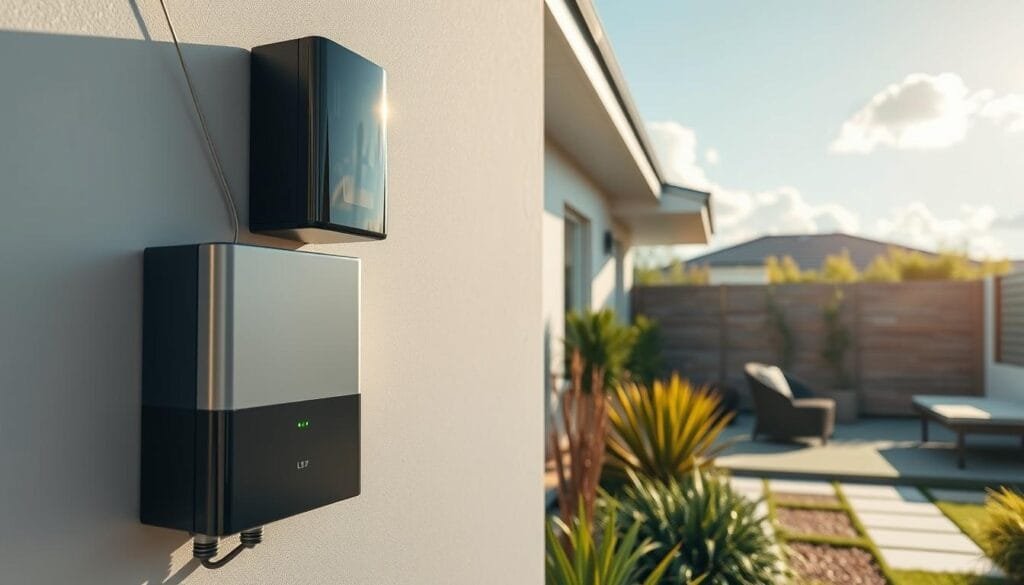
Meeting these requirements means you can get support for your residential battery storage. This makes your solar energy investment more worthwhile and affordable.
3. What Your Energy Storage Incentive Covers
To get the most from the energy storage subsidy, it’s key to understand what it covers. The Hungarian government’s program helps homeowners buy residential energy storage systems. This support is aimed at making renewable energy more accessible.
Subsidy Rates and Percentage of Total Costs
The subsidy can cover up to 80% of the total system costs. This is a big help for those wanting to invest in energy storage. The government wants to boost the use of renewable energy.
Eligible Equipment and Installation Expenses
Only certain equipment is eligible, like grid-connected residential battery storage systems. The subsidy also helps with installation costs. This means you can get a full solution without breaking the bank.
Maximum Grant Amounts per Household
The highest grant you can get is HUF 2.5 million per household. This is a big help for homeowners.
Co-financing Requirements and Your Contribution
You’ll have to pay for the part of the costs not covered by the subsidy. This makes sure you’re invested in your energy storage project. It’s a way to ensure you’re committed to making it work.
4. Meeting Technical Requirements and Selecting Approved Equipment
Before you apply for the Hungarian energy storage subsidy, it’s key to know the technical rules. The Hungarian government has set standards. These ensure your battery system meets your home’s energy needs and is safe and grid-friendly.
Specifications for 10 kW Residential Battery Systems
The subsidy is for 10 kW residential battery systems. These are perfect for most homes to use more solar power. They need to be efficient and last long to get the subsidy.
Why LiFePO₄ Battery Technology Is Preferred
LiFePO₄ battery technology is chosen for its high cycle life, thermal stability, and predictable degradation curves. It’s safer and more reliable for storing energy at home.
Choosing DSO-Approved Inverters for Grid Compatibility
Using DSO-approved inverters is a must for grid compatibility. These inverters meet the grid connection rules set by Hungarian Distribution System Operators (DSOs).
Solar Self-Consumption Thresholds and Integration Standards
The subsidy program has rules for solar self-consumption thresholds and integration standards. Your system must meet these to apply successfully.
Following these technical rules and choosing the right equipment makes your system eligible for the subsidy. It also meets your energy needs.
5. Navigating the FEAK Digital Application Process Step-by-Step
The FEAK digital platform is your entry to Hungary’s energy storage subsidy. Here’s how to use it well. The process has several key steps to ensure your application goes smoothly.
Step 1: Creating Your Account on the FEAK Digital Platform
To start, create an account on the FEAK digital platform. You’ll need to give basic info like your name, contact details, and property info. It’s important to make sure your details are correct for the next steps.
Step 2: Collecting Required Documentation and Certificates
You’ll need to collect several documents. These include proof of property ownership, details of your solar panel system, and the specs of the battery storage system you plan to install. Make sure all documents are current and meet FEAK digital rules.
Step 3: Completing and Submitting Your Online Application
With your documents in hand, fill out the online application form. Be sure to give all the required info correctly and attach the needed documents. Your application will be checked against the energy storage subsidy rules.
Step 4: Undergoing Technical Assessment and Receiving Approval
After you submit, your application will be reviewed technically. This step is key as it checks if your residential battery storage system meets the grid and subsidy needs.
Step 5: Scheduling Installation with Certified Contractors
Once approved, you can book the installation of your battery system with certified contractors from the FEAK program. It’s crucial to pick a contractor who knows the technical needs and FEAK digital rules.
Step 6: Final Inspection and Subsidy Disbursement
After installation, a final check will be done to make sure everything meets the program’s standards. If everything checks out, you’ll get the energy storage subsidy.
| Step | Description | Timeline |
|---|---|---|
| 1 | Account Creation | 1-2 weeks |
| 2 | Documentation | 2-3 weeks |
| 3 | Application Submission | 1 week |
| 4 | Technical Assessment | 4-6 weeks |
| 5 | Installation | 2-4 weeks |
| 6 | Final Inspection & Subsidy | 2-3 weeks |
6. Maximising Your Investment and Long-Term Savings
Investing in solar energy storage means looking at long-term savings. You need to focus on a few key areas. These will boost your return on investment and energy efficiency.
Optimising Your Solar Self-Consumption Strategy
Improving solar self-consumption is key. It helps you use more solar energy and cut down on grid use. This means using energy when you make it, not just when you need it.
Calculating the Right Battery Capacity for Your Needs
Finding the right battery capacity is crucial. You need to look at your daily energy use, solar panel size, and usage patterns. The right size battery means using more of what you make and wasting less.
Projecting Your Return on Investment Over Time
Knowing how to project your return on investment is important. It helps you see if your solar system is worth it. You need to think about the costs, subsidies, and long-term savings.
Combining Green Technology Grants for Additional Benefits
Combining green technology grants with subsidies can save you more. Looking for extra funding can lower your costs and increase your return.
By focusing on these areas, your solar energy storage will give you the best financial and environmental benefits.
7. Overcoming Common Application and Installation Obstacles
Getting an energy storage subsidy in Hungary can be tough. You might face delays in paperwork or problems with connecting to the grid. Knowing these challenges can help you get ready and deal with them better.
Resolving Documentation and Application Delays
Applicants often struggle with delays in paperwork and applications. It’s vital to make sure all documents are correct and on time. Double-checking your application before you send it can really help avoid delays.
Managing Equipment Supply and Delivery Timelines
Another big problem is getting the equipment on time. DSO-approved inverters and other parts can be hard to get, causing delays. Planning well and talking closely with your supplier can help manage these issues.
Addressing Grid Connection and DSO Approval Issues
Getting your system connected to the grid and getting DSO approval is key. Your residential battery storage system must meet all technical standards. As experts say, “being compatible with the grid is crucial for a smooth setup.”
“The key to a successful energy storage project lies in meticulous planning and adherence to technical standards.”
Securing a Sustainable Energy Future with Hungary’s Subsidy
Now you know about Hungary’s HUF 100 billion energy storage subsidy program. It aims to move the country towards a future with more local and stored energy. By choosing the right energy storage solutions, you can get a lot of help from the government.
This subsidy is a big step towards cleaner energy goals. By using this program, you help make the future greener and also gain more control over your energy use.
When you apply and install, make sure to use your solar power wisely. Pick the right battery size for your needs. This way, you’ll get the most out of your investment and save money in the long run with the HUF 100 billion program.