
Plugin Solar Kits: A Revolutionary DIY Energy Solution or a Dangerous Regulatory Risk?
Imagine your electricity meter slowing down as the sun hits your balcony. Many of us are tired of high bills and want to control our energy at home. You should feel empowered and safe in your own space.
In Germany, 1.5 million people have made a change. They’ve cut their electricity costs by thirty per cent with balcony systems. This shows how personal action can bring big savings and peace of mind.
These setups can pay for themselves in six years, saving you money. But, the UK’s laws are complex. You need to think about the benefits and risks, and local rules, before starting.
Table of Contents
Understanding Plugin Solar Kits: What You Need to Know Before You Buy
Plugin solar kits are becoming more popular. But before you buy, it’s key to understand how they work. These kits seem easy to use, but they involve complex considerations.
At their heart, plugin solar kits are made to be simple and easy to use. They let homeowners install solar panels without needing a lot of technical know-how. Yet, it’s crucial to grasp the tech and rules behind them.
How Plug-and-Play Solar Systems Actually Work
Plug-and-play solar systems, or plugin solar kits, turn sunlight into electricity. They use photovoltaic (PV) panels to do this. The electricity is then changed from DC to AC by micro-inverters, making it safe for home use.
Essential Components: Panels, Micro-Inverters, and Connection Hardware
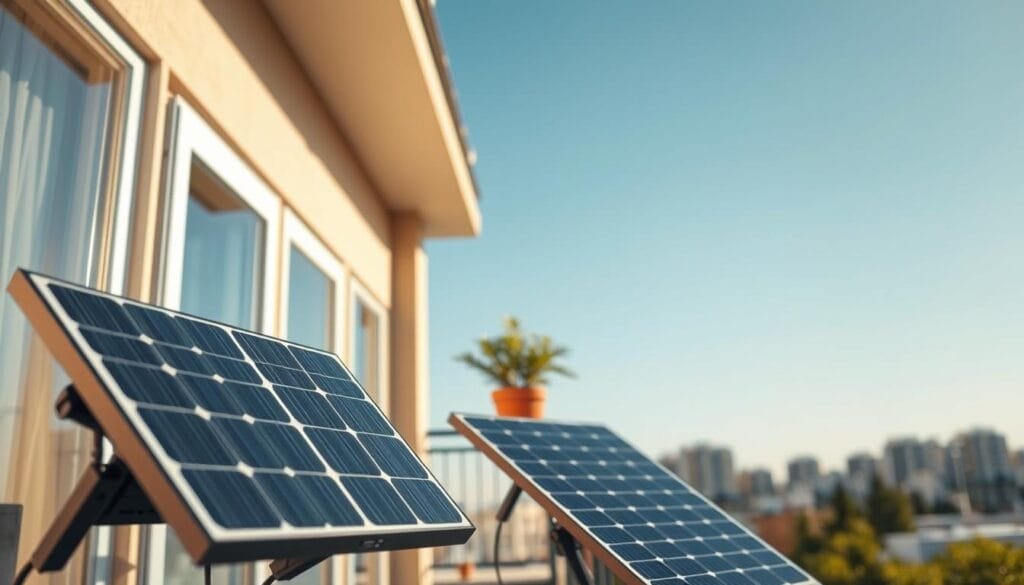
The main parts of a plugin solar kit are solar panels, micro-inverters, and connection hardware. Panels catch the sun’s energy, micro-inverters change DC to AC, and hardware links the system to your home’s grid safely.
Choosing a plugin solar kit means looking at the quality of these parts. Good panels and inverters make your system work better and last longer.
Balcony Solar and Installation Location Options for Your Home
Plugin solar kits are flexible in where you can install them. For those in apartments or with small roof spaces, balcony solar is a great option. These kits can go on balconies, helping city dwellers.
Think about where to put your kit based on space and sunlight. While roofs are common, balconies, patios, or ground mounts work too, depending on your situation and local laws.
In late 2025, the UK has strict rules on solar panel kits and wall sockets. But, the government might change this in 2026 to allow up to 800W. Knowing these rules is important for a safe and legal install.
Why Plugin Solar Kits Are Revolutionising Home Energy Production
Plugin solar kits are changing the game for those wanting to cut down on grid use. They let homeowners make their own power. This is changing how we use energy at home.
These kits bring many benefits, like energy freedom and saving money. As we move towards greener energy, plugin solar kits lead the way.
Achieving Energy Independence Through DIY Solar Installation
Plugin solar kits help you be energy independent. By installing them, you can make your own electricity. This means you don’t rely on outside energy sources as much.
Reducing Your Reliance on the National Grid
Generating your own power means you use less from the grid. This gives you security and protects you from price changes.
With energy independence key, plugin solar kits are a great answer. They let you control your energy, ensuring a stable future.
Affordable Solar for Renters: Breaking the Homeownership Barrier
Plugin solar kits aren’t just for homeowners. They’re also good for renters. Before, renters couldn’t get solar because of big costs and needing landlord okay.
Portable Solutions You Can Take When You Move
Plugin solar kits are easy to move. If you change homes, you can take your kit. This keeps you using solar energy wherever you go.
This makes them perfect for renters, who often don’t stay in one place long.
No Landlord Permission Required for Most Balcony Installations
Most balcony kits don’t need landlord approval. This makes them great for renters. They’re easy to put up and don’t change the property much.
“The flexibility and ease of use of plugin solar kits make them an attractive option for renters and homeowners alike.”
The Cost Advantage: Immediate Savings Without Professional Fees
Plugin solar kits save money compared to traditional setups. They don’t need professional installers, so costs are lower.
Lower Upfront Investment Compared to Traditional Solar
| Installation Method | Upfront Cost | Installation Time |
|---|---|---|
| Traditional Solar | £5,000 – £10,000 | Several Days to Weeks |
| Plugin Solar Kits | £500 – £2,000 | A Few Hours |
Monthly Electricity Bill Reductions You’ll Notice Straight Away
By making your own energy, you cut down your bills. How much you save depends on your kit size and use. But, you’ll see the difference right away.
Plugin solar kits are changing how we make energy at home. They make it easier, cheaper, and more efficient. Whether you own or rent, they help you use less grid power and save on bills.
Plugin Solar Safety and Regulations: The Risks You’re Taking
Plugin solar kits seem like a great DIY energy solution. But, they also come with big safety and legal risks. It’s key to know the dangers and legal issues they bring.
UK Electrical Regulations and Building Standards Compliance
The UK has strict rules for electrical systems and building standards. Following these rules is vital for safety and to avoid legal trouble.
Part P Building Regulations and Notifiable Work Requirements
In England, Part P of the Building Regulations says some electrical work, like solar PV, must be told to the local building control. Not doing this can lead to big fines and even removal of the system.
The UK’s Electrical Safety Council warns that DIY electrical work is dangerous. It can put you and others at risk of electrical shock or fire. This is especially true for plugin solar kits, where bad installation can cause serious dangers.
BS 7671 Wiring Regulations and DIY Limitations
The BS 7671 wiring regulations, or IET Wiring Regulations, set the standards for electrical installations in the UK. They say any solar system connected to the grid must be installed by a pro and certified.
| Regulation | Description | Compliance Requirement |
|---|---|---|
| Part P Building Regulations | Governs electrical work, including solar PV installations | Notification to local building control body required |
| BS 7671 Wiring Regulations | Standards for electrical installations in the UK | Professional installation and certification required |
Fire Hazards and Electrical Safety Concerns with DIY Installation
DIY plugin solar kits can cause fire hazards and electrical safety issues. Bad connections and not enough testing can lead to electrical shocks or fires.
Overloading Circuits and Socket Safety Issues
Plugin solar kits can overload circuits. This happens when the electrical load is too much for the circuit or socket. It can cause overheating and fires.
“The risk of electrical fires is significantly higher with DIY solar installations due to the potential for poor connections and inadequate testing.”
Poor Connections and Weather Exposure Risks
Poor connections in DIY solar installations can cause electrical arcing and fires. Weather can also damage the installation, making electrical hazards worse.
Your Home Insurance and Warranty Could Be Invalidated
Installing a plugin solar kit without a pro’s certification can affect your home insurance and warranties.
What Insurance Companies Actually Say About Plugin Solar
Many insurance companies have strict rules for DIY electrical work, including solar. Not following these can make your insurance invalid.
Manufacturer Warranties and Professional Installation Requirements
Most solar panel makers need a pro to install their systems to keep warranties valid. DIY installations can cancel these warranties, leaving you at risk of big costs if the system fails or gets damaged.
Grid Stability and Distribution Network Operator Concerns
Plugin solar kits can also affect the grid’s stability and the distribution network’s operation.
G98 and G99 Notification Requirements
The UK’s G98 and G99 rules control connecting renewable energy systems to the grid. Following these rules is key to keep the grid stable and avoid penalties.
Potential Power Quality Issues for Your Neighbourhood
Unregulated plugin solar installations can cause power quality problems. These problems can affect not just your home but your whole neighbourhood. Issues include voltage changes and harmonic distortions.
Cost of Plugin Solar vs Professional Installation: The Complete Financial Picture
Thinking about solar energy for your home? It’s key to know the costs of plugin solar kits versus professional installation. This guide will help you choose wisely, fitting your budget and energy needs.
Comparing Initial Investment: Equipment and Setup Costs
Plugin solar kits and professional installations have different prices. DIY kits are seen as a budget-friendly option.
Typical Plugin Solar Kit Prices in the UK Market
In the UK, plugin solar kits cost between £400 and almost £1,000 for an 800W system. These kits include solar panels, micro-inverters, and connection hardware.
Professional Installation Quotes and What They Include
Professional solar setups are pricier because of labour costs. Adding this to a DIY kit can raise the total cost by £300-£500. They offer a full assessment, installation, and sometimes a work warranty.
Hidden Costs and Long-Term Financial Considerations
There are more financial points to ponder when deciding between DIY kits and professional setups.
Compliance Costs: Making Your DIY System Legal
Choosing a DIY kit might mean extra costs for UK electrical and building standards compliance. You might need a pro to inspect and certify your system.
Potential Costs of Rectification Work or Removal
If your DIY setup doesn’t meet standards, fixing or removing it could be costly. This could affect your initial choice’s cost-effectiveness.
Return on Investment and Payback Period Analysis
It’s vital to understand the ROI and payback period for your solar choice.
How Long Until Your Plugin Solar Kit Pays for Itself
A plugin solar kit could save you £174 a year. But, savings depend on your energy use, system efficiency, and local rates.
Professional Installation: Higher Cost but Better Returns
Professional setups cost more upfront but offer better long-term savings. They follow safety and efficiency standards, leading to higher savings and a longer system life.
Conclusion: Weighing Your Options for Home Solar Energy
Thinking about solar energy for your home? Plugin solar kits are a good choice, especially for renters. They help cut down on energy bills and reduce carbon footprint.
Plugin solar kits can change how you get energy at home. They offer freedom from the grid and quick savings. But, it’s important to know about the rules and risks of DIY solar. This includes following UK electrical laws and how it might affect your home insurance.
Looking at plugin solar kits, think about the costs and risks. Ask yourself if the benefits of solar energy for renters are worth it. By carefully looking at your options, you can choose what’s best for your energy use and budget.