
Protecting IGBT7 Modules: The Role of Advanced Silicone Gels in Solar Inverter Reliability
Did you know that power failures cause nearly 37 per cent of all unplanned repair tasks in large solar farms? The UK’s growing use of green power makes pv inverter reliability a key concern. You want your equipment to handle changing weather without losing power.
An advanced igbt7 silicone gel acts like a shield for power modules. It stops damp and stress from harming the delicate parts. Protecting these components keeps your equipment strong against wind and rain.
Choosing the right protective layer lets your systems work safely at high heat. Focusing on these parts extends your energy setup’s life. This approach reduces costs and boosts your energy output.
Table of Contents
1. Why Your IGBT7 Modules Need Advanced Protection in PV inverters
Protecting IGBT7 modules is key to keeping PV inverter efficient and reliable. These modules are vital in PV systems. They convert DC power to AC, making their protection crucial.
The Critical Role of Power Electronics in PV Systems
Power electronics, like IGBT modules, are essential in PV systems. They turn DC power from solar panels into AC power. This power can then be used locally or fed into the grid.
The efficiency and reliability of these components are vital. They directly affect the solar inverter’s performance. Also, following standards like RoHS is important. It ensures the modules are safe for the environment and work well.
Environmental Stresses Facing Solar Inverters
Solar inverters face many environmental challenges. These include temperature changes, moisture, and mechanical stress. Without proper protection, these stresses can harm IGBT7 modules.
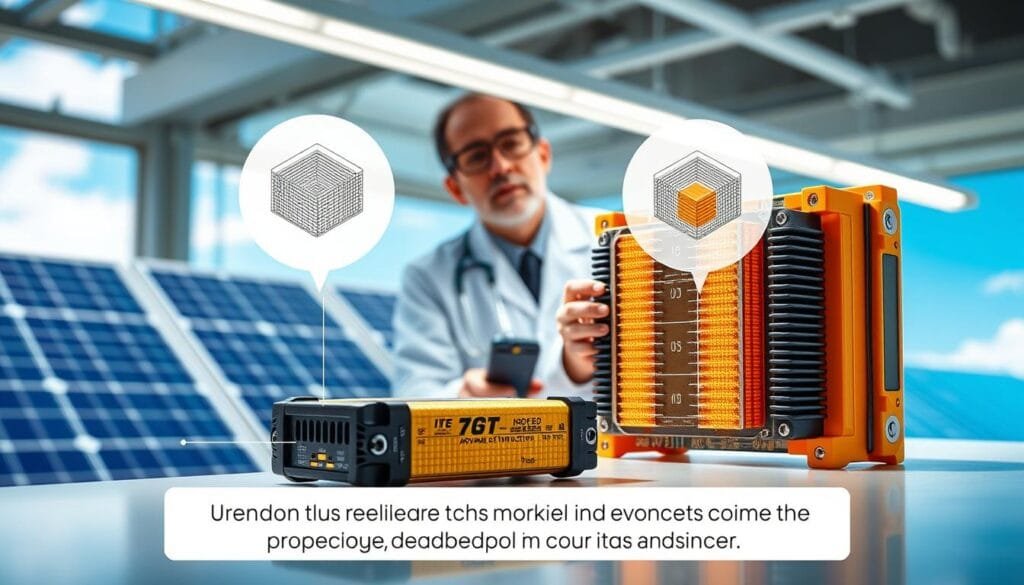
Using advanced protection, like high-quality silicone gels, is vital. It helps keep these modules safe from environmental stresses.
2. Understanding 7th Generation IGBT Technology and Its Protection Requirements
To get the most out of IGBT7 modules, we need to understand their special features and protection needs. The 7th generation IGBT technology has made big strides in power electronics, especially in solar inverters. But, these advances also bring new challenges that need special protection solutions.
What Sets IGBT7 Apart from Earlier Generations
IGBT7 modules are a big step up in IGBT technology. They offer better efficiency, more power in a smaller space, and better heat handling than before. These improvements let solar inverters work better and more reliably, but they need careful protection to perform at their best.
One key difference of IGBT7 is its ability to handle higher voltages and temperatures. This makes it perfect for high-power solar inverter jobs. But, this higher performance also means IGBT7 modules are more at risk from environmental and electrical stresses.
Vulnerability Points in High-Voltage Applications
In high-voltage jobs like solar inverters, IGBT7 modules have several weak spots. These can affect their reliability and life span. Issues include electrical and thermal stress, and environmental factors like humidity and dirt.
High-voltage silicone encapsulants are key in protecting IGBT7 modules from these threats. They act as a strong shield against the environment, ensuring the modules stay reliable for a long time. The dielectric strength of these encapsulants is very important. It shows how well they can handle high voltages without breaking down.
Experts say, “Using high-voltage silicone encapsulants is vital for the reliability of IGBT7 modules in high-voltage settings.” This shows how important it is to pick the right protection for IGBT7 modules.
“The use of high-voltage silicone encapsulants is critical in ensuring the reliability of IGBT7 modules in high-voltage applications.”
3. Silicone Encapsulation Material: Your Solution for Power Electronics Protection
Advanced silicone gels are crucial for keeping IGBT7 modules in solar inverters working well. They act as a strong shield against environmental and electrical threats. This makes solar inverters more reliable.
How High-Voltage Silicone Encapsulants Work
DOWSIL EG-4175 is a high-voltage silicone encapsulant designed to protect Power module. It forms a protective gel layer around components. This layer keeps them safe from moisture, dust, and other harmful substances.
The gel also reduces mechanical stress on components. This helps them last longer. Its high voltage and temperature resistance make it perfect for IGBT7 modules. For example, DOWSIL EG-4175 can handle up to 180°C without failing.
Essential Properties for Solar Inverter Reliability
For a silicone gel to protect IGBT7 modules well, it needs specific properties. These include high Electrical insulation strength, thermal stability, and resistance to moisture and chemicals.
- High Electrical insulation strength to prevent electrical breakdown
- Thermal stability to withstand extreme temperatures
- Chemical resistance to protect against corrosive substances
By ensuring the silicone gel has these properties, you can greatly improve your solar inverters’ reliability and performance.
The Science Behind Electrical insulation strength Protection
Electrical insulation strength is key for silicone encapsulants. It shows how well they can handle high electrical voltages without failing. The strength of a silicone gel depends on its chemical makeup and how it’s cured.
A silicone gel with high Electrical insulation strength, like DOWSIL EG-4175, offers great protection against electrical stresses. This ensures your IGBT7 modules work reliably for a long time.
4. DOWSIL EG-4175 Silicone Gel: Comprehensive Product Review
DOWSIL EG-4175 silicone gel is a top-notch solution for solar inverters. It’s key for making solar inverters work better and last longer. This is because high-quality materials like DOWSIL EG-4175 are crucial.
Overview
The DOWSIL EG-4175 silicone gel is made for protecting IGBT7 modules in solar inverters. It’s special because it helps manage heat and keeps electrical insulation strong in high-voltage situations.
Product Specifications and Chemistry
DOWSIL EG-4175 is a two-part silicone gel. When mixed, it creates a protective layer around IGBT7 modules. It’s made to have great dielectric properties and stay stable in heat.
Designed for Solar Inverter Thermal Management
This silicone gel is made to handle the heat needs of solar inverters. It helps keep the IGBT7 modules working well by spreading out heat.
Pros
DOWSIL EG-4175 has many good points for solar inverter makers.
Outstanding 180°C Thermal Resistance
One big plus is its high-temperature tolerance, up to 180°C. This means it works well even in very hot conditions.
Exceptional Electrical insulation strengthPerformance
The gel has exceptional Electrical insulation strength. This protects the IGBT7 modules from electrical stress, making the solar inverter reliable.
Superior solar inverter durability Record
DOWSIL EG-4175 has a great track record for PV inverters. It’s linked to fewer failures and longer product life.
Resistance to Moisture and Environmental Contaminants
The gel also fights off moisture and other environmental dangers. This makes solar inverters more durable.
Cons
While DOWSIL EG-4175 has many benefits, there are some downsides to consider.
Premium Pricing Compared to Standard Solutions
It costs more than regular encapsulants. But, its better performance and reliability might be worth the extra cost.
Specific Application Equipment Requirements
Using DOWSIL EG-4175 might need special equipment. This could be a challenge for manufacturers.
Curing Time Considerations
The time it takes for DOWSIL EG-4175 to cure is important. It can affect how fast products can be made.
Key Features
DOWSIL EG-4175 silicone gel has several important features for solar inverter use.
Thermal Conductivity and Heat Dissipation
It has good thermal conductivity. This helps in spreading out heat, which is key for IGBT7 module performance.
Voltage Insulation Capabilities
The gel’s voltage insulation is crucial. It protects the modules from electrical stress.
Chemical Stability and Longevity
DOWSIL EG-4175 is chemically stable and lasts long. It keeps working well over the solar inverter’s life.
Compliance with Industry Standards
The product meets industry standards. This ensures its quality and performance.
To show the benefits and details of DOWSIL EG-4175, here’s a comparison:
| Property | DOWSIL EG-4175 | Standard Silicone Gel |
|---|---|---|
| Thermal Resistance | Up to 180°C | Up to 150°C |
| Dielectric Strength | Exceptional | Good |
| Moisture Resistance | High | Moderate |
5. Technical Performance Analysis: Thermal Management and Electrical Insulation
In solar inverters, this protective encapsulation layer helps manage heat and protects sensitive power module. This is vital for the system’s reliability, especially in tough weather.
The Silicone Encapsulation Material is made for superior thermal management. It keeps power module cool. This is important for the solar inverter’s efficiency and life span.
Real-World Testing Results for Solar Inverter Applications
Tests show the Silicone Encapsulation Material boosts solar inverter reliability. It cuts down electrical discharge risks and boosts dielectric strength. This is crucial for the system’s safety.
The gel performs well in different weather conditions. This makes it perfect for solar inverters.
Comparative Performance Against Standard Encapsulants
Compared with standard encapsulants, this advanced gel technology offers improved insulation and durability. It has superior electrical insulation properties and manages heat well. This is clear from the analysis, showing it works great in harsh conditions.
- Improved dielectric strength
- Enhanced thermal conductivity
- Better resistance to environmental stresses
This makes advanced silicone encapsulation a strong choice for solar inverter manufacturers. They want to improve their products’ reliability and performance.
Long-Term Reliability Data
Long-term data backs the use of Silicone Encapsulation Material in solar inverters. It keeps protecting power electronics for a long time. This ensures the system’s reliability.
The data shows the Silicone Encapsulation Material is a reliable choice. It helps solar inverters last longer and work better. This boosts solar inverter durability.
6. Application Guidelines for High-Voltage Silicone Encapsulants
To get the best out of high-voltage silicone encapsulants for IGBT7 modules, following the right application steps is key. This ensures your solar inverters work well for longer.
Surface Preparation Requirements
Before you start, make sure the surface is clean. Remove dust, oils, or moisture to help the encapsulant stick well. A clean surface is essential for a strong bond.
Choose a cleaning solvent that won’t harm the materials. Isopropyl alcohol works well because it dries quickly. Make sure the surface is dry before applying the encapsulant.
Dispensing Methods and Equipment
How you apply high-voltage silicone encapsulants affects the quality. You can use manual, semi-automatic, or fully automatic methods. The right choice depends on your needs.
For big production runs, automated tools are best. They give consistent results and save on labour costs. Make sure the equipment is set up right to get the right amount of encapsulant.
Optimising Cure Conditions for Maximum Protection
Cure conditions are important for the high-voltage silicone encapsulant. Temperature, time, and humidity affect the cure. Getting these right is key for the best protection.
Follow the maker’s cure schedule, which includes a temperature plan. Higher temperatures speed up curing but avoid overheating to prevent damage.
By controlling the application process, you can get the most out of high-voltage silicone encapsulants for your IGBT7 modules.
7. Recommendations: Who Should Use IGBT7 Silicone Gel Protection
IGBT7 silicone gel protection is key for making solar inverters more reliable. But who needs it? It depends on the specific needs and challenges of different manufacturers and uses.
Ideal Candidates for DOWSIL EG-4175
DOWSIL EG-4175 is great for applications needing high reliability and performance in tough conditions. Here are the best uses for this technology:
Utility-Scale Solar Inverter Manufacturers
These makers can really benefit from IGBT7 silicone gel protection. It makes their products last longer and work better. It also protects IGBT7 modules from harsh environments and electrical stress.
High-Temperature Operating Environments
Places that get very hot can really use DOWSIL EG-4175. This silicone gel keeps working even in extreme heat. It helps IGBT7 modules last longer.
Critical Infrastructure Applications
For big solar farms or grid-connected solar inverters, reliability is key. Silicone Encapsulation Material protection helps keep things running smoothly. It cuts down on downtime and ensures steady performance.
Implementation Recommendations
Thinking about using DOWSIL EG-4175 for your IGBT7 modules? There are a few things to keep in mind to get the most out of it.
When DOWSIL EG-4175 Is Your Best Choice
If you need high dielectric strength, thermal stability, and protection from the environment, DOWSIL EG-4175 is perfect. It’s great for keeping sensitive electronics safe in tough spots.
Cost-Benefit Analysis for Your Application
Do a detailed cost-benefit analysis. The upfront cost of DOWSIL EG-4175 might seem high. But the long-term savings on maintenance, efficiency, and lifespan can be worth it.
Integration into Your Manufacturing Process
To smoothly add DOWSIL EG-4175 to your making process, think about how you’ll dispense it, cure it, and if it works with other materials. Doing it right can make your production better and your products more reliable.
By looking at your application’s needs and the benefits of Silicone Encapsulation Material protection, you can make a smart choice. This choice will improve your solar inverters’ performance and reliability.
8. Conclusion
You now know how important advanced silicone gels are for IGBT7 modules in solar inverters. Using top-notch encapsulants like DOWSIL EG-4175 boosts pv inverter reliability. It also helps manage solar inverter thermal issues.
Keeping IGBT7 modules safe is key to your solar inverters lasting longer and working better. DOWSIL EG-4175 silicone gel is great because it has high dielectric strength, stays stable in heat, and resists the environment. It’s perfect for tough solar inverter jobs.
Adding DOWSIL EG-4175 to your solar inverter design improves its performance and cuts down on maintenance costs. As more people want efficient and reliable solar inverters, using advanced silicone gel technology is essential.