
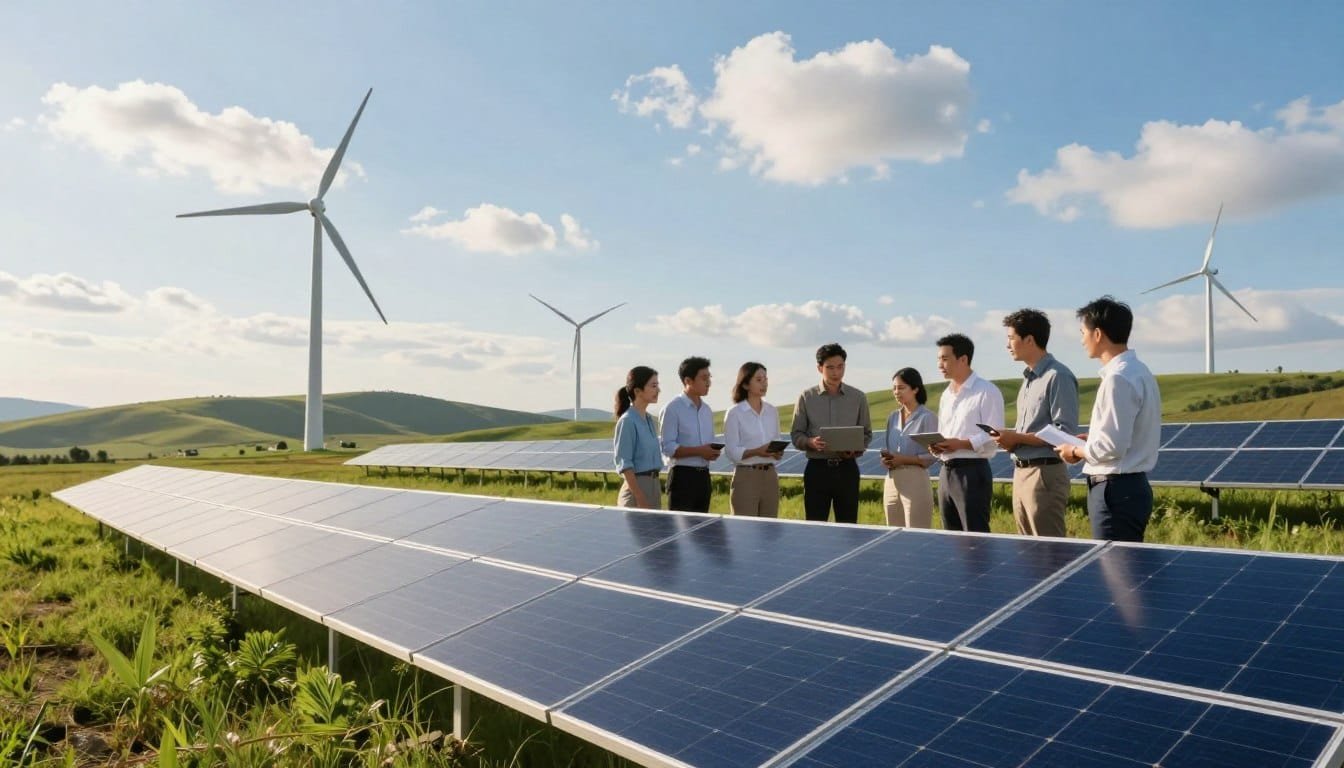
Shaping a Sustainable Future: How Solar Power is Driving the Global Energy Revolution
Imagine standing on a green hillside as the morning sun warms your face. You feel a sense of hope as you realise we are finally protecting our planet. This change is about keeping our home safe for our children.
Today, the shift towards sustainable clean energy solutions is moving faster than ever. The International Energy Agency reports that solar power is now the cheapest source of electricity in history. This breakthrough makes a greener lifestyle affordable for every household.
Over the past decade, global green investments have reached five trillion dollars. This huge financial support is driving a revolution that is hard to ignore. You will now discover how these changes shape a brighter future for everyone.
Table of Contents
The Global Shift Towards Sustainable Clean Energy Solutions
The energy world is changing fast, with a focus on clean energy. This change is urgent to fight climate change and cut carbon emissions. It’s for a better future for all.
Why the Energy Revolution is Happening Now
Many things are pushing the energy revolution forward. New tech has made renewable energy cheaper than old fuels.
Also, worries about climate change and the environment are making governments and big companies invest in clean energy.
How Solar Technology is Outpacing Traditional Energy Sources
Solar tech has grown a lot, beating old energy in cost and efficiency.
The price of solar energy will keep falling thanks to new tech and bigger production.
China has captured 80% of the world market for solar panels, leading the clean energy change.
Your Stake in This Transformational Movement
You play a big part in the move to clean energy.
Whether you invest, use energy, or make policies, knowing about this change is key. It helps you make choices for our planet’s future.
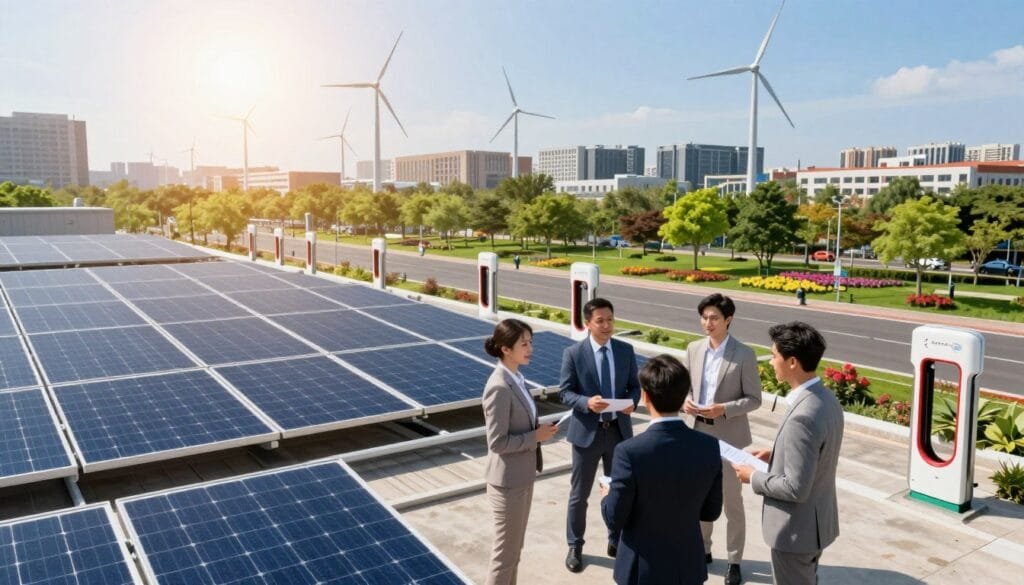
Solar Photovoltaic Technology: Understanding the Innovation Powering Your Future
The world is moving towards renewable energy, and solar photovoltaic technology is key. It’s getting better at making solar panels more efficient, affordable, and accessible.
How well solar panels work is very important. Better panels mean more electricity from the sun. This makes solar power a great choice for your energy needs.
The Science Behind Modern Solar Efficiency Gains
New discoveries in materials and tech have boosted solar panel efficiency. Modern solar cells catch more sunlight, turning it into electricity. This is thanks to new materials and ways of making panels.
Key advancements include: passivated emitter and rear cell (PERC) technology. It’s now common in high-efficiency panels. PERC cuts down on energy loss, letting more electrons help make electricity.
Next-Generation Technologies Transforming Energy Capture
The solar industry is set for a big change with new technologies. These will make solar energy more efficient and cheaper. They’re changing how we use solar power.
Bifacial Solar Modules Increasing Your Yield by 30%
Bifacial solar modules catch sunlight from both sides, boosting energy by up to 30%. They work well where sunlight bounces off the ground or other surfaces.
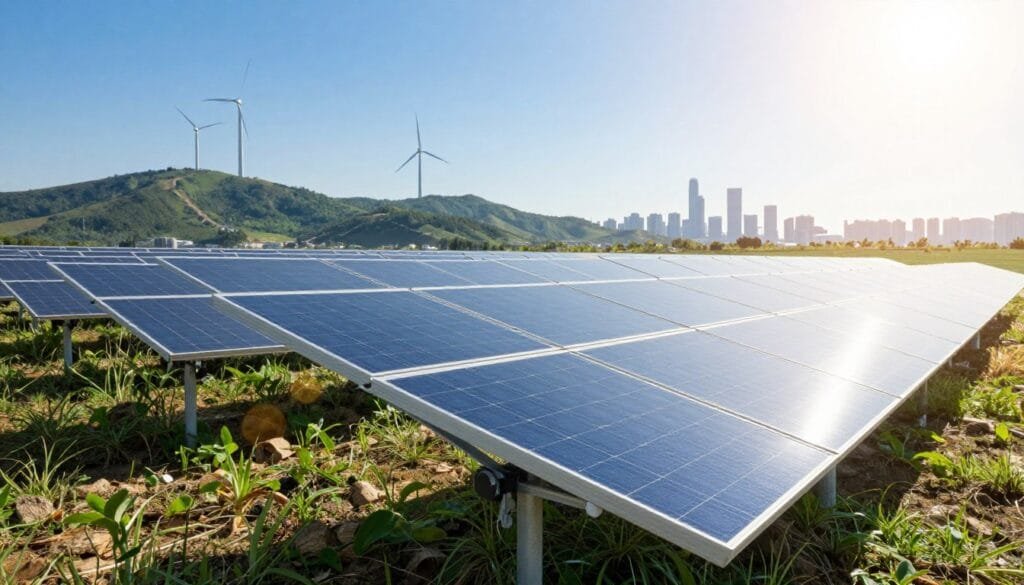
Perovskite-silicon tandem cells are a big step forward. They stack a perovskite layer on silicon cells for better efficiency. This tech could beat current records and lower solar costs for you.
Half-Cut Cell Technology Reducing Your Power Losses
Half-cut cell tech cuts solar cells in half to cut down on electrical losses. It makes panels more efficient and reliable. This means you get more from your solar investment.
Case Study: Benban Solar Park – How Egypt Generated 1.8 GW of Clean Power
The Benban Solar Park in Egypt is a major project. It shows the power of big solar farms. It’s part of Egypt’s plan to use more renewable energy.
Project Scope and Technical Specifications
The Benban Solar Park is huge, covering 37.3 square kilometres. It has 32 solar power plants, each making 50 MW to 65 MW. Together, they produce 1.8 GW of power, helping Egypt’s energy needs.
It uses top-notch solar technology. Over 4 million solar panels are installed. They’re set up to catch the most sunlight all year.
Implementation Challenges and Engineering Solutions
Building the Benban Solar Park was tough. The desert climate and connecting to the grid were big hurdles. But, smart engineering solved these problems.
For example, cooling systems keep the solar panels cool in the heat. A new substation and lines were built to link the farm to the grid. This ensures reliable power for everyone.
Measurable Results: 2 Million Tonnes of CO2 Emissions Prevented Annually
The solar park has cut Egypt’s carbon emissions a lot. It makes 1.8 GW of clean energy. This stops about 2 million tonnes of CO2 from being released each year.
This shows how big solar farms can help the planet. They cut down on harmful emissions and support green growth.
Economic Impact on Local Communities and Employment
The solar park has helped local areas too. It’s created jobs and boosted the local economy. Thousands of people worked on it, helping the area.
It’s also improved local life. The project has built roads and utilities. This has made living there better for everyone.
Achieving Renewable Energy Independence in Your United Kingdom Market
The UK is moving towards a future powered by renewable energy. This change is making renewable energy independence a real goal. The growth in solar power is a big part of this shift.
The UK’s Journey from 13 GW to Projected 40 GW Solar Capacity
The UK’s solar power has grown a lot, from 13 GW to a predicted 40 GW. This shows the country’s strong commitment to renewable energy. You can join this journey by choosing solar energy solutions.
“The UK’s solar industry is poised for continued growth, driven by technological advancements and supportive policies.”
| Year | Solar Capacity (GW) |
|---|---|
| 2023 | 13 |
| 2025 | 25 |
| 2030 | 40 |
Case Study: Shotwick Solar Park’s 72.2 MW Installation
The Shotwick Solar Park is a big example of the UK’s solar growth. It has a 72.2 MW installation. This project helps the national grid and powers many homes.
How This Installation Powers 20,000 Homes Annually
The Shotwick Solar Park can power about 20,000 homes each year. This shows how solar energy can meet the UK’s energy needs.
The Shotwick Solar Park works well with local industries, like Airbus UK. This shows solar energy can help industries, making them less reliant on the national grid.
Your Pathway to Reducing Dependence on the National Grid
Investing in solar energy can make you less dependent on the national grid. Solar power is reliable and sustainable. It can also save you money on energy costs.
- Assess your energy needs and determine the appropriate solar installation size.
- Explore available financing mechanisms and government incentives.
- Choose a reputable solar panel provider.
Innovative Solar Power Plants Reshaping the Energy Landscape
The energy sector is changing fast with new solar power plants. These plants not only make clean energy but also help the environment.
Floating Solar: The 6.3 MW Queen Elizabeth II Reservoir Project
Floating solar is a new way to use solar energy. The 6.3 MW Queen Elizabeth II Reservoir project is a great example. It shows how solar farms can work on water.
Why Water-Based Installations Deliver 10% Higher Efficiency
Floating solar farms, like the Queen Elizabeth II Reservoir project, work better because of the water. The water keeps the solar panels cool, making them up to 10% more efficient than land-based farms.
Key benefits of floating solar include:
- Increased efficiency due to cooling effect
- Reduced water evaporation
- Minimal land use
Your Environmental Benefits Beyond Energy Generation
Floating solar farms do more than just make energy. They also help keep water from evaporating and support wildlife. For example, the Queen Elizabeth II Reservoir project keeps the water clean.
“Floating solar technology is a game-changer for renewable energy generation, offering a unique solution for water bodies.”
Case Study: Clayhill Solar Farm’s Battery Integration Success
Clayhill Solar Farm is a success story in using batteries with solar energy. Its battery system makes the energy supply more stable and reliable.
| Project Details | Specifications |
|---|---|
| Capacity | 50 MW |
| Battery Storage | 27 MW/21 MWh |
| Annual Output | 79 GWh |
Agrivoltaics at Landmead Farm: Combining Agriculture with Energy Production
Landmead Farm is a great example of agrivoltaics. It puts solar panels on agricultural land. This way, the land is used for both farming and making energy.
Agrivoltaics has many benefits. It makes better use of land and is kinder to the environment. Landmead Farm shows how to use renewable energy in a smart and sustainable way.
Economic Impact of Solar Energy: Quantifying Your Financial Benefits
The solar industry is growing fast, bringing big economic wins to your area. The UK’s move to solar energy is a smart step. It’s good for the planet and boosts the economy.
Job Creation in the UK Solar Industry
The UK solar industry is creating lots of jobs. By 2024, it will have made 17,000 jobs. These jobs cover many areas, like making solar panels and keeping them running.
- Manufacturing jobs in the production of solar panels and related equipment
- Installation and maintenance jobs ensuring that solar farms and rooftop installations operate efficiently
- Service sector jobs supporting the solar industry, including finance, law, and consulting
Case Study: Bentley Motors’ Solar Installation
Bentley Motors’ 20,815-panel solar installation is a great example. It shows how big solar projects can cut costs and emissions.
Annual Energy Savings and CO2 Reduction
Bentley Motors’ solar panels will save £324,000 a year on energy. They will also cut CO2 emissions by 2,500 tonnes. This helps the company and the UK’s environment.
Return on Investment
The solar panels will pay off in seven years. This makes solar energy a good choice for businesses wanting to save money and reduce carbon.
Multiplier Effects on the Local Economy
Solar energy does more than just save money and create jobs. It also boosts the local economy in many ways.
- Increased demand for local goods and services
- Improved infrastructure, including roads and utilities
- Enhanced local business opportunities, including tourism and related services
By choosing solar energy, you help your local economy grow. As the UK increases its solar power, the benefits will grow too. This will lead to a better, more sustainable future.
Cost-Effective Solar Installation: Making Your Renewable Transition Accessible
Solar energy costs have dropped a lot in the last decade. This makes it easier than ever to switch to solar power. Knowing how to save money and what help is out there is key.
How Solar Costs Have Plummeted 89% Since 2010
Solar energy costs have fallen by 89% since 2010. This is thanks to better technology and cheaper production. These changes have made solar energy more appealing globally.
Your Financing Mechanisms and UK Government Support
The UK government has set up plans to help people and businesses get solar energy. They offer ways to lower the upfront costs. This makes solar energy more affordable.
Smart Export Guarantee Maximising Your Returns
The Smart Export Guarantee (SEG) lets you earn money by sending extra energy to the grid. This scheme helps pay back the cost of solar panels. It’s a great way to get financial benefits from solar energy.
Enhanced Capital Allowances for Your Business
Businesses can get tax breaks through the Enhanced Capital Allowances (ECA) scheme. This includes solar panels. It reduces the cost of solar installations, making it more appealing for businesses.
Green Financing Options Through UK Banks
UK banks offer special loans for renewable energy projects, like solar panels. These loans often have better terms. This makes it simpler to invest in solar energy.
Streamlining Your Installation Process to Reduce Soft Costs
Soft costs, like installation and paperwork, can add up. Making the installation process smoother can cut these costs. This leads to faster and cheaper solar installations.
Future of Solar Energy 2026: Preparing for Your Next Wave of Innovation
2026 is just around the corner, and the solar industry is ready for its next big leap. The future of solar energy looks bright, with big growth expected. New tech like building-integrated photovoltaics and better storage systems will be key to this growth.
UK Market Projections: Reaching 27 GW Installed Capacity
The UK solar market is set to hit 27 GW by 2026. This growth will come from cheaper tech, government support, and more demand for clean energy.
Several factors will drive this growth:
- More people using solar photovoltaic technology
- Government support for renewable energy
- Improvements in solar panel efficiency and storage
Building-Integrated Photovoltaics Transforming Your Architecture
Building-integrated photovoltaics (BIPV) are changing building design and construction. They turn buildings into solar power generators, making energy production seamless and efficient.
BIPV offers many benefits:
- It makes buildings more energy-efficient
- It adds beauty and design flexibility
- It saves on materials by doing two jobs
Advanced Storage Systems Solving Your Intermittency Challenges
Advanced storage systems are vital for solving solar energy’s ups and downs. They store extra energy for use when the sun isn’t shining or at night.
Lithium-Ion Battery Costs Declining to $100 per kWh
Lithium-ion battery prices are falling to $100 per kWh. This makes storing energy cheaper and more accessible. It will help solar energy systems grow faster.
Vehicle-to-Grid Technology Expanding Your Energy Flexibility
Vehicle-to-grid (V2G) tech lets electric cars send energy back to the grid. It boosts energy flexibility and gives car owners extra income.
Policy Developments Influencing Your Solar Investment Decisions
Policy changes are shaping the solar energy world. Governments are setting up rules to help renewable energy, like solar, grow.
Watch for these policy changes:
- Renewable energy targets and subsidies
- Rules for connecting to the grid
- Incentives for energy storage and demand response
Conclusion
The world’s energy scene is changing fast, thanks to solar power and other green energy. This move towards a sustainable future is getting stronger. Solar photovoltaic tech is key in cutting down our use of old energy sources.
Choosing solar power helps our planet and brings economic benefits. The UK’s solar sector has already created many jobs. It’s set to grow even more in the future.
Solar power will keep being important as we move towards a greener future. New, better, and cheaper solar tech is on the way. This will help us use energy more efficiently.
FAQ
Why is solar power currently leading the global transition toward sustainable clean energy solutions?
How can I achieve renewable energy independence within the UK market?
What are the primary benefits of innovative solar power plants like floating arrays?
What is the projected economic impact of solar energy on the UK workforce?
How can I ensure a cost-effective solar installation for my property?
What major shifts are expected in the future of solar energy 2026?
What technical advancements are making solar photovoltaic technology more efficient?
There are no reviews yet. Be the first one to write one.