
The Global Shift to Solar-Powered Mobility: From Personal EVs to Public Transport
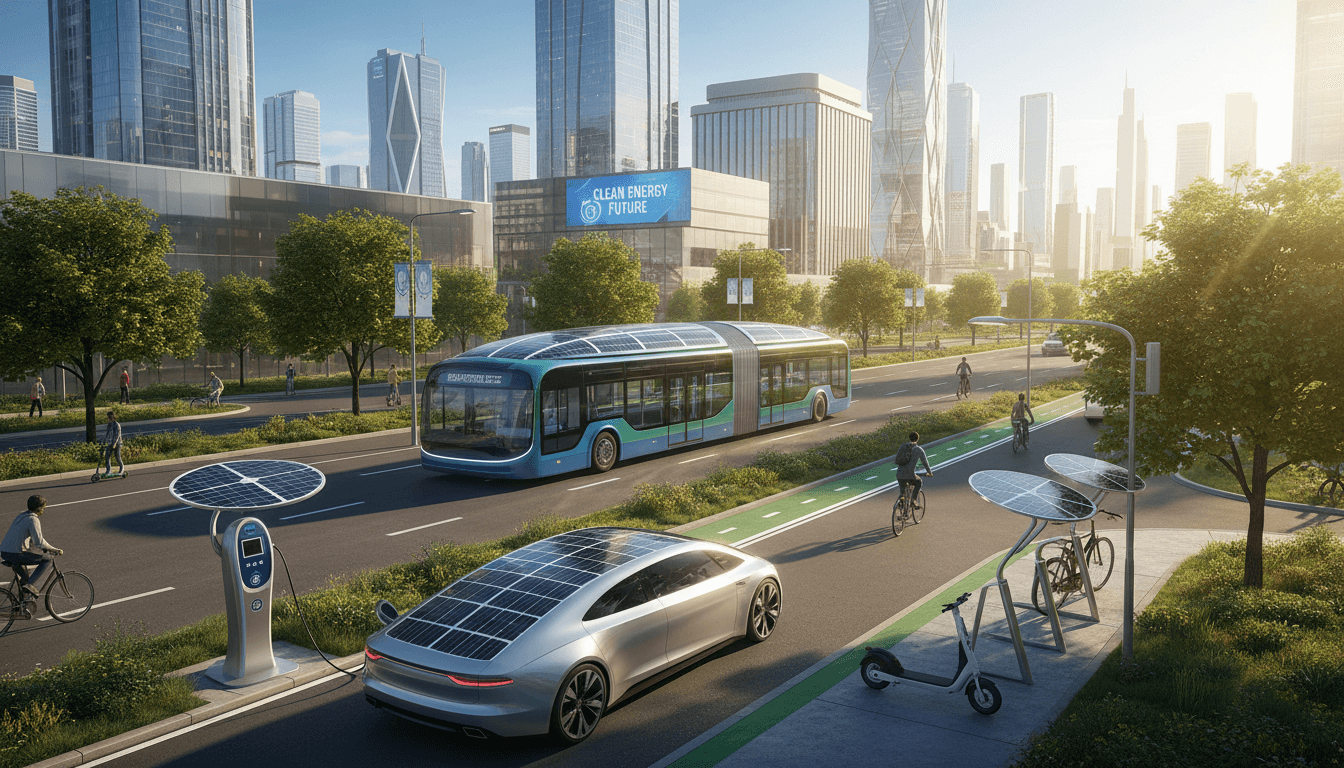
You’re seeing a big change in how we travel in cities. The move to eco-friendly transportation is real and happening now. It’s changing our streets and public transport.
From electric cars to big buses, we’re moving to clean energy. This change helps cut down on carbon emissions. It’s making our world cleaner for everyone.
By picking green options, we reduce harmful emissions. Governments and companies are teaming up to make travel greener. These efforts are good for us and the planet.
Table of Contents
Understanding Solar-Powered Mobility and Its Core Technologies
Solar-powered mobility is becoming more popular worldwide. This is thanks to new technologies that make it a good choice instead of old fossil fuel cars. It’s key to know the tech behind solar cars.
Adding solar power to vehicles is more than just cutting down on fossil fuels. It’s about making transport better for our planet. Renewable energy vehicles lead this change, offering a greener option for all.
What Vehicle-Integrated Photovoltaics Mean for Modern Transport
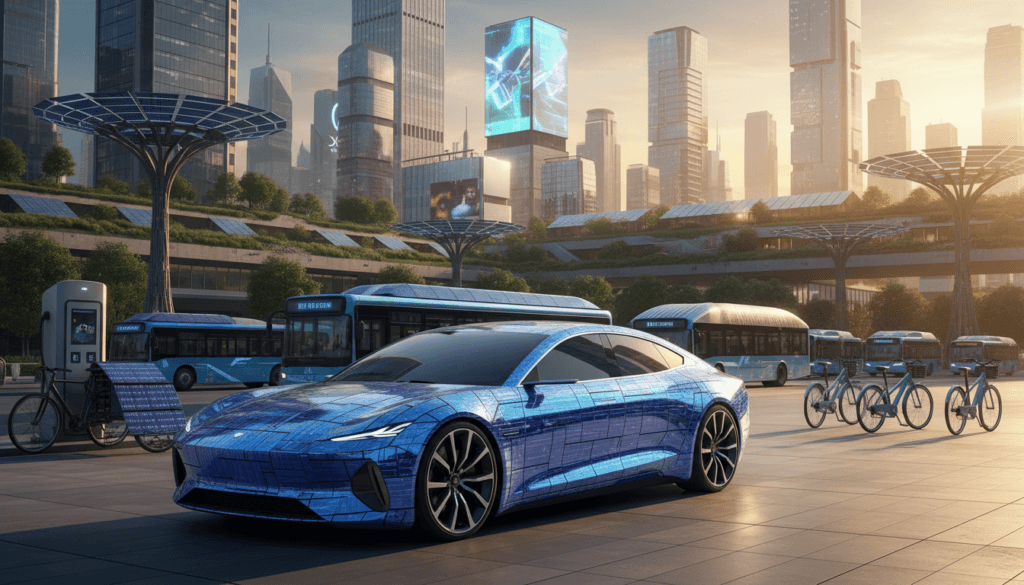
Vehicle-integrated photovoltaics (VIPV) mean solar panels are built into cars. This lets them make electricity from the sun. It cuts down on EVs’ carbon footprint by using clean energy.
As VIPV gets better and cheaper, it will be used more. It’s a big step towards sustainable travel, letting cars go further on green energy.
How Range Extension Technology Works in Practice
Range extension tech helps electric cars go further on one charge. Solar panels on the car use sunlight to boost the battery. This is great for long trips where charging spots are few.
This tech works by fitting solar panels into the car’s design well. It makes sure they work well and last long. It’s key for making renewable energy vehicles useful for daily life.
The Role of Energy-Independent EVs in Sustainable Travel
Energy-independent EVs run on just solar power. They’re the top choice for green travel, needing no grid. They’re made possible by better solar panels and battery tech.
Creating energy-independent EVs is a big step towards a greener transport future. They let you travel without harming the environment, helping our planet for the next generations.
Why You Should Consider Eco-Friendly Transportation Today
Climate change is a big issue now. Switching to eco-friendly transport is key for a sustainable future. Our daily travel choices can really help cut down on pollution and improve air quality.
Choosing green mobility solutions is not just a trend; it’s essential. By using eco-friendly transport, we join a big effort to protect our planet. Electric cars, for example, are a great alternative to old-fashioned petrol cars.
Measuring the Environmental Impact of Renewable Energy Vehicles
It’s important to know how good renewable energy vehicles are for the planet. Research shows they make much less pollution than old cars. Electric cars, for example, don’t pollute at all, which is great for cities.
| Vehicle Type | CO2 Emissions (g/km) | Energy Efficiency |
|---|---|---|
| Electric Vehicle (EV) | 0 | High |
| Hybrid Vehicle | 50-100 | Medium to High |
| Conventional Petrol/Diesel | 150-250 | Low to Medium |
As the table shows, electric cars are much cleaner, with no CO2 emissions. They’re a great choice for anyone wanting to be kinder to the planet.
“The future of transportation is electric, and it’s not just about the cars; it’s about creating a sustainable ecosystem that supports clean energy.”
Achieving Carbon-Neutral Commuting Through Clean Transportation
Going for carbon-neutral commuting is a big step towards a greener world. By choosing clean transportation like cycling, public transport, or electric cars, we can make a big difference.
- Look at your travel needs and find better ways.
- Think about getting an electric or hybrid car.
- Use public transport or carpool when you can.
By making these small changes, we can help make our environment cleaner and healthier. It all starts with what we do individually. Together, we can make a big change for the better.
Evaluating Solar-Powered Personal Electric Vehicles for Your Needs
The world is moving towards greener transport, making solar-powered electric vehicles key. It’s vital to know what each vehicle offers. This helps you choose wisely.
Lightyear 0: The Long-Range Solar EV Option
The Lightyear 0 is a leading solar EV with a long range. It’s great for those needing a green and reliable car. It can get up to 7,000 km of range per year from the sun, cutting down on grid charging.
“The Lightyear 0 is a game-changer in the EV market, offering a unique combination of range and sustainability,” says a leading industry expert. It’s perfect for long commutes or trips.
Sono Motors Sion: Affordable Solar Integration
Sono Motors Sion is a budget-friendly solar EV. Its solar panels are built into its body, helping it travel further. It’s a smart choice for those watching their budget.
The Sion is great for those wanting a green car without spending a lot. With its moderate range and affordable price, it’s set to win over many.
Aptera: The Ultra-Efficient Three-Wheeler
Aptera is a three-wheeled solar EV that’s all about efficiency. It can go up to 40 miles a day on solar power alone. It’s perfect for short trips.
Aptera’s design and tech make it a top choice for green transport. Its small size and easy handling are great for city driving.
Understanding Ao-Solar Extender Technology for Existing EVs
For EV owners, Ao-Solar Extender tech is a great upgrade. It lets you use the sun to extend your car’s range. This means less need for grid charging.
Ao-Solar Extender is a smart way to make your EV greener. By adding solar panels or a solar trailer, you can enjoy solar power without buying a new car.
How Solar-Powered Mobility Is Transforming UK Public Transport
Solar energy is now powering public transport in the UK, starting a new era in travel. This change cuts down the carbon footprint of transport. It also makes the environment cleaner and healthier. The UK is leading the way in using renewable energy, showing other countries how it’s done.
Solar Bus Initiatives in London and Manchester
London and Manchester are leading in using solar power for buses. London has solar panels in bus depots, cutting down on fossil fuels. Manchester plans to grow its solar bus fleet soon.
These moves cut down on emissions and lower costs for transport authorities. The success of these projects is inspiring other UK cities to use solar power for transport.
Railway Systems Powered by Renewable Energy
The UK’s railways are also benefiting from solar power. Many lines and stations now run on solar energy. Solar panels are being installed on station roofs and along tracks.
A great example is the solar-powered station in Hartley, Kent. It’s a model for green railway infrastructure.
Solar-Assisted Trams and Light Rail Networks
Trams and light rail in the UK are also getting a solar boost. Cities like Nottingham and Sheffield have added solar panels to their tram systems. Panels are on depots or even on the trams themselves.
| City | Type of Transport | Solar Integration Method |
|---|---|---|
| London | Bus Depots | Solar Panels on Roofs |
| Manchester | Bus Fleet | Planning Solar-Powered Buses |
| Nottingham | Tram Depots | Solar Panels on Depots |
Using solar power in UK transport is a big step towards a greener future. As more cities join in, the UK is set to lead in solar mobility.
Your Step-by-Step Guide to Switching to Green Mobility Solutions
Starting your journey to green mobility is a big step towards a better future. It’s important to have a clear plan to help you make the switch.
Step 1: Assess Your Current Transportation Needs and Patterns
First, look at how you travel every day. Think about how far you go, how often, and what kind of trips you make. This will help you find the right electric mobility options for you.
If you have a long commute, look into electric vehicles (EVs) with a long range. Or, consider hybrids that use both electric and traditional fuel.
Step 2: Research Available Electric Mobility Options Within Your Budget
After knowing your travel needs, look for green mobility solutions that fit your budget. Check out different EV models, their prices, and any government incentives.
Compare models like the Lightyear 0, Sono Motors Sion, and Aptera. Find the one that meets your needs and budget.
Step 3: Calculate Your Energy Requirements and Solar Potential
Think about how much energy your EV will need and how much solar power you can make. Check how much sunlight your home gets and how much space you have for solar panels.
Work out how much energy you need for your EV and how much solar power you can make. This ensures you have enough power for your electric mobility.
Step 4: Arrange Test Drives and Compare Environmentally Friendly Transport
Before buying, test drive the EVs you’re interested in. This will help you understand how they feel and perform.
Compare the EVs based on your test drives. Look at range, charging time, and how they drive.
Step 5: Plan Your Home Charging and Solar Installation
Choose your EV, then plan your home charging and solar setup. Get experts to install your charging station safely.
Also, think about linking your solar panels to your home energy system. This can make your energy use more efficient.
Step 6: Complete Your Purchase and Set Up Your Charging Infrastructure
When you’re ready, buy your EV. Make sure you know about the charging options available to you, including public chargers and your home setup.
Set up your charging system. And join public charging networks for easy charging on the go.
Building Sustainable Transport Infrastructure for Solar Vehicles
To support the growing number of solar vehicles, we need sustainable transport infrastructure. This should be efficient and reliable. We must install solar carports, link solar panels with home energy systems, and use public solar charging networks.
Installing Solar Carports and Covered Charging Stations
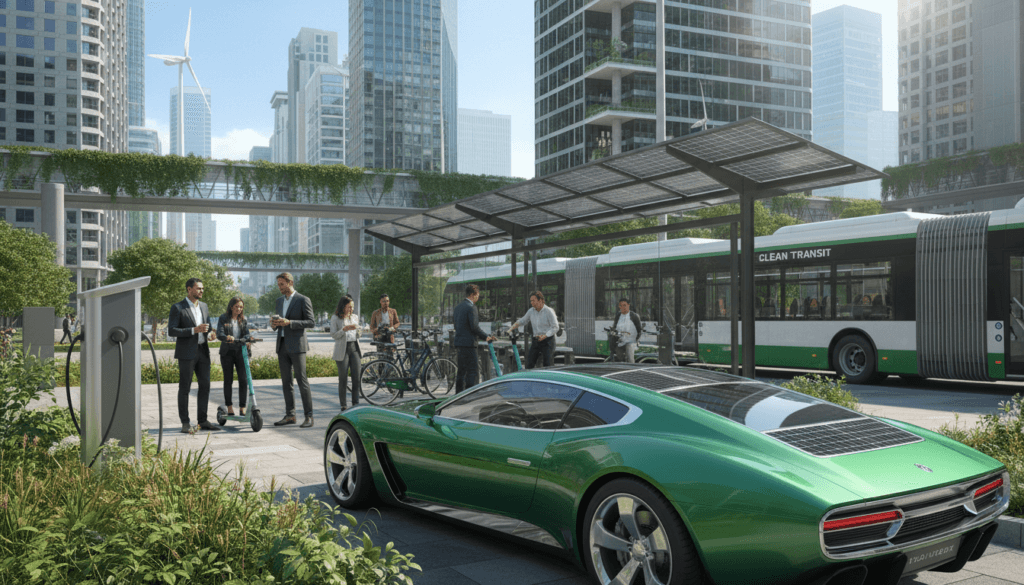
Solar carports and covered charging stations are gaining popularity. They offer two benefits: they protect vehicles and generate electricity. These can be set up in homes, workplaces, and public parking areas. This boosts the charging infrastructure for solar vehicles.
The advantages of solar carports include:
- Renewable energy generation
- Protection for vehicles from the elements
- Potential for energy storage integration
Integrating Your Solar Panels with Home Energy Systems
Linking solar panels with home energy systems is crucial. It creates a seamless and sustainable energy system. Homeowners can use the electricity for their homes and vehicles, making the most of their solar panels.
| Benefits | Description |
|---|---|
| Energy Independence | Generate your own electricity for home and vehicle |
| Cost Savings | Reduce your reliance on grid electricity |
| Environmental Impact | Lower your carbon footprint |
Accessing Public Solar Charging Networks Across the UK
The UK is growing its public solar charging networks. This supports the increasing demand for solar vehicle charging. These networks offer convenient and sustainable charging for solar vehicle owners on the move.
To access these networks, you can:
- Use online resources to find public solar charging stations near you
- Download mobile apps for real-time charging station info
- Consider membership or pay-as-you-go options for charging services
By building and using sustainable transport infrastructure, we can speed up the use of renewable energy vehicles. This will help create a cleaner and more sustainable transport system for the future.
Maximising UK Government Incentives and Financial Benefits
Thinking about switching to eco-friendly transport? The UK government offers financial help. They have schemes to make clean transport cheaper for everyone.
Understanding the Plug-In Car Grant and Solar EV Eligibility
The Plug-In Car Grant helps you buy an electric vehicle, like a solar car. Vehicles must cost under £50,000 and emit less than 50g/km of CO2. Check the UK government’s website for eligible cars and how to apply.
Eligibility Criteria:
- Vehicle price below £50,000
- CO2 emissions less than 50g/km
- Minimum electric range of 70 miles
Claiming VAT Relief and Tax Benefits on Sustainable Travel
Using an electric vehicle for work? You might get VAT relief on purchase and expenses. The UK also offers tax breaks for electric company cars. Talk to your accountant to see how these benefits apply to you.
VAT relief can make buying eco-friendly transport cheaper.
| Benefit Type | Description | Eligibility |
|---|---|---|
| VAT Relief | Relief on VAT for EV purchase and certain expenses | Business use of EV |
| Tax Benefits | Lower tax rates for company car drivers using EVs | Company car drivers |
Calculating Long-Term Savings from Clean Transportation
Choosing clean transport can save you money over time. Electric cars cost less to run than petrol or diesel ones. Work out your savings based on your current transport costs and how you use it.
Accessing Local Council Schemes for Electric Mobility Options
Local councils in the UK offer extra perks for electric transport. Look for free parking, bus lane access, and home charging point subsidies. Check with your council to see what’s available in your area.
Examples of Local Council Schemes:
- Free or discounted parking for EVs
- Access to bus lanes for EVs
- Subsidies for home charging point installation
Conclusion
Solar-powered mobility is changing how we travel. It’s moving from personal electric vehicles to public transport. This shift towards green travel is growing fast.
In the UK, cars like Lightyear 0, Sono Motors Sion, and Aptera are leading the charge. The government’s Plug-In Car Grant makes going green easier for you.
Choosing solar power means less carbon and a cleaner world. The UK is building more green transport. You can be part of this positive change.
Start your journey to green travel by looking at your transport needs. There are many solar-powered options out there. With the right info and help, you can make a difference. Join the move towards a greener transport system.